- Natural Pet Treats
- Cat Treat Recipes
- Homemade Catnip Treats
Delicious Homemade Catnip Treats for Your Feline Friend
Discover how to make tasty and natural catnip treats at home that are safe and healthy for your cat. Perfect alternatives to commercial pet food!
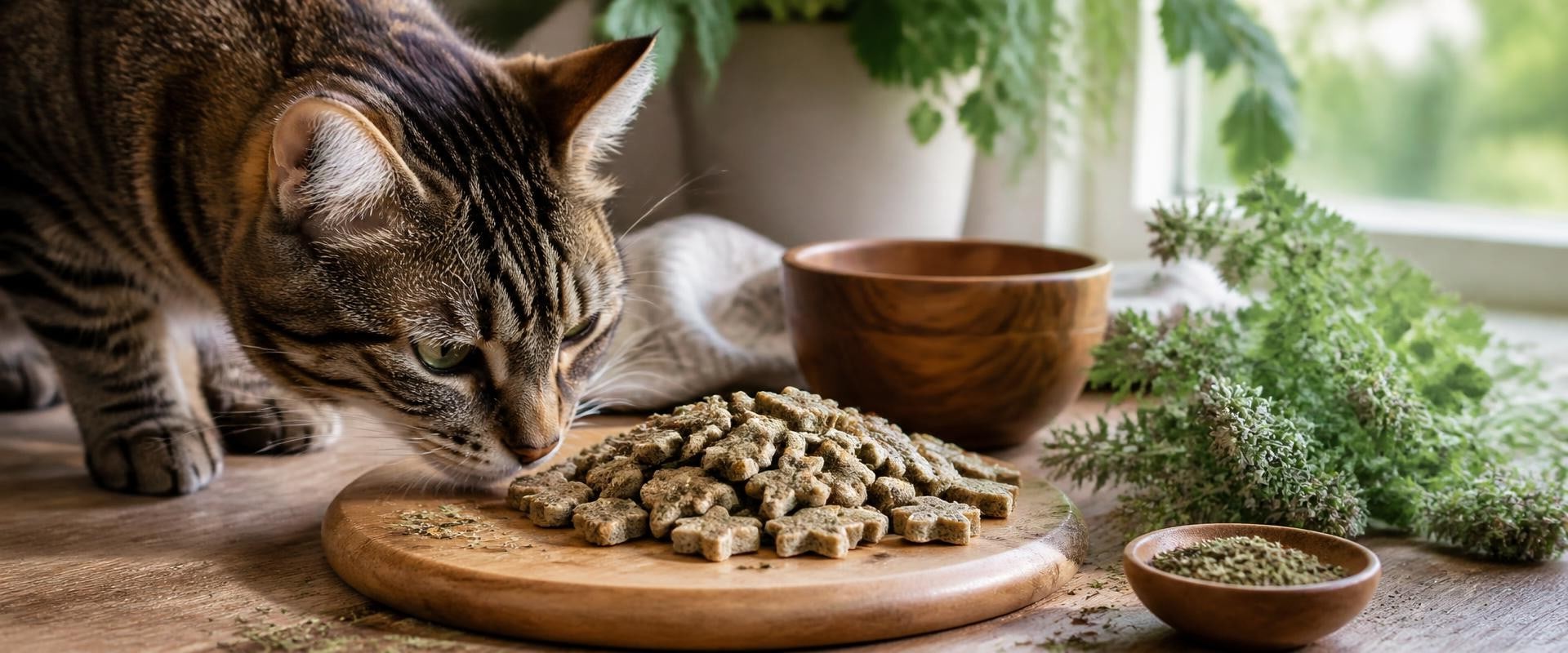
Are you a devoted cat parent looking to treat your feline friend to something special? Homemade Catnip Treats could be just what you need! Imagine your kitty's delight as they indulge in delicious, fresh treats made right in your own kitchen. Not only are these treats a great way to show your love, but they also allow you to control the ingredients, ensuring that what your cat consumes is healthy and safe. With the growing trend towards natural pet care, making your own catnip treats can be a fun and rewarding experience. You can customize the flavors and textures to suit your cat’s preferences, all while avoiding preservatives and artificial additives often found in store-bought options. The joy of seeing your furry companion pounce and play with excitement over a homemade treat is simply unmatched!In this article, we will guide you through easy and satisfying recipes for Homemade Catnip Treats, perfect for any occasion.
Whether you're celebrating a birthday, welcoming a new kitten, or just want to spoil your beloved pet, these simple recipes are sure to please. So, roll up your sleeves and get ready to whip up some delightful snacks that will have your cat purring with joy!When it comes to our furry companions, ensuring they receive the best nutrition is paramount. This is where the importance of natural ingredients in pet nutrition comes into play. By making homemade catnip treats, pet owners can have full control over what goes into their cat's food, allowing them to avoid harmful additives, preservatives, and artificial flavors often found in store-bought options.
Not only do homemade treats tend to be fresher, but they can also be tailored to meet specific dietary needs, making them a healthier choice for your feline friend. One of the standout ingredients in many cat treat recipes is catnip. This herb is not just a delightful addition that many cats adore; it can also enhance their playfulness and overall well-being. In addition to catnip, several other wholesome ingredients can be incorporated into cat treat recipes. For example, whole wheat flour serves as a great base, providing essential carbohydrates and fiber.
Oats are another excellent option; they are not only nutritious but also easy to digest, making them suitable for most cats. To get you started on your journey of creating delicious homemade treats, here’s a simple recipe that you can whip up in no time. This recipe for homemade catnip treats will take approximately 15 minutes to prepare and about 20 minutes to bake.
Ingredients:
- 1 cup whole wheat flour
- 1/2 cup oats
- 1/4 cup dried catnip
- 1/4 cup chicken or fish broth (low sodium)
- 1 egg
- Preheat your oven to 350°F (175°C).
- In a mixing bowl, combine the whole wheat flour, oats, and dried catnip.
- Add the egg and broth to the dry mixture and stir until a dough forms.
- Knead the dough on a floured surface for a few minutes until it becomes smooth.
- Roll out the dough to about 1/4 inch thick and cut it into small shapes using cookie cutters.
- Place the cutouts on a baking sheet lined with parchment paper.
- Bake in the preheated oven for about 20 minutes or until the treats are golden brown.
- Allow the treats to cool completely before serving them to your cat.
Additionally, if your feline friend has allergies, always introduce new ingredients gradually and consult with your veterinarian if you are unsure. Introducing these homemade treats to your cat can be an exciting experience. Start by offering just a small piece and observe how your cat reacts. Some cats may show immediate interest and excitement, while others might be more hesitant. It’s essential to gauge their reactions and adjust the frequency of treats accordingly.
Remember that moderation is key; even healthy treats should only make up a small portion of your cat's diet. While most cats will enjoy these tasty morsels without any issues, it’s crucial for pet owners to be aware of potential allergies or dietary restrictions. Common allergens in cats include wheat, corn, and certain proteins. Always keep an eye out for any signs of discomfort or adverse reactions after introducing new treats into their diet. In conclusion, making homemade catnip treats is not only a fun activity but also a rewarding way to provide your pet with healthy snacks made from natural ingredients. By knowing exactly what goes into their treats, you can ensure that your feline friend is getting the best possible nutrition while enjoying every bite!
Tips for Feeding Your Cat Treats
Introducing Homemade Catnip Treats to your feline friend can be an exciting experience, but it’s essential to do so with care.Start by offering just a small amount of the treat to see how your cat reacts. This gradual approach helps to ensure that your cat is comfortable with the new flavor and texture. As you introduce the treats, keep an eye on your cat for any signs of allergies or digestive issues. Common symptoms may include vomiting, diarrhea, or excessive scratching. If you notice any adverse reactions, it’s best to discontinue the treat and consult with your veterinarian. Additionally, consider spacing out treat time to prevent overindulgence.
Treats should only make up a small portion of your cat's overall diet. A good rule of thumb is that treats should not exceed 10% of their daily caloric intake. Finally, remember that every cat is unique. Some cats may take to new treats immediately, while others may need more time to adjust. Patience is key when introducing Homemade Catnip Treats into your cat's diet.
Why Choose Homemade Treats?
When it comes to treating our beloved feline companions, homemade catnip treats offer numerous advantages over commercial options.One of the primary benefits is the better quality control that comes with making treats at home. By using fresh, high-quality ingredients, you can ensure that your cat is consuming only the best. This not only enhances the flavor but also contributes to the overall health of your pet. Another significant advantage of homemade treats is the ability to cater to specific dietary needs. Many cats have allergies or sensitivities to certain ingredients commonly found in store-bought treats.
By preparing your own snacks, you can customize the recipes to avoid any harmful components and focus on what’s best for your cat's unique dietary requirements. Moreover, homemade treats allow you to incorporate nutritional benefits tailored to your cat’s needs. For example, adding certain vitamins or supplements can enhance their well-being and playfulness. With homemade treats, you are in control of what goes into every bite, ensuring a healthier snack option for your furry friend. In addition, making homemade catnip treats can be a fun and engaging activity for both you and your cat. The process of creating these special snacks can strengthen your bond while ensuring that they are receiving wholesome, enjoyable treats.
Overall, choosing to make your own cat treats is a rewarding option that promotes better health and happiness for your feline friend.
Key Ingredients for Catnip Treats
When creating Homemade Catnip Treats, it's essential to choose ingredients that are not only safe but also beneficial for your feline friend. Here are some key ingredients to consider:Catnip: As the star ingredient, catnip is a member of the mint family and contains a compound called nepetalactone, which can induce a sense of euphoria in many cats. It can encourage playful behavior and mental stimulation, making it a delightful addition to any treat.Oat Flour
: A great base for your treats, oat flour is rich in fiber and helps with digestion. It is also gluten-free, making it a suitable option for cats that may have sensitivities.Chicken or Fish Puree
: Adding a protein source like chicken or fish puree not only enhances the flavor but also provides essential amino acids that are vital for your cat's health.These proteins support muscle development and overall well-being.
Egg
: Eggs are a fantastic source of high-quality protein and contain essential nutrients such as vitamins A, B12, and riboflavin. They contribute to healthy skin and fur, making your cat look and feel great.Pumpkin Puree
: Pumpkin is a nutrient-dense ingredient that is rich in fiber, helping to regulate your cat's digestive system. It's also packed with vitamins A and C, which are beneficial for their immune system.Coconut Oil
: This ingredient adds a delightful flavor while providing healthy fats that can promote a shiny coat and support overall health. Coconut oil can also aid in digestion. By combining these ingredients, you can create Homemade Catnip Treats that not only please your cat’s palate but also contribute to their health and happiness.Easy Catnip Treat Recipe
Making homemade catnip treats for your furry friend is a simple and rewarding process.With just a few ingredients, you can create tasty snacks that your cat will love. Follow this easy step-by-step recipe to whip up a batch of delightful treats!Ingredients:
- 1 cup whole wheat flour
- 1/4 cup rolled oats
- 1/4 cup catnip (dried)
- 1/2 cup chicken or vegetable broth (low sodium)
- 1 egg
- 1 tablespoon olive oil
- Preheat your oven to 350°F (175°C).
- In a large mixing bowl, combine the whole wheat flour, rolled oats, and dried catnip.
- Add the egg, olive oil, and chicken or vegetable broth to the dry ingredients. Mix well until a dough forms.
- If the dough is too sticky, you can add a little more flour until it reaches a manageable consistency.
- Lightly flour your work surface and roll out the dough to about 1/4 inch thick.
- Use cookie cutters to cut out shapes from the dough. You can use any shape you like, but fun shapes like fish or hearts are perfect for cats!
- Place the cutouts on a baking sheet lined with parchment paper.
- Bake in the preheated oven for 15-20 minutes, or until the treats are golden brown and firm to the touch.
- Allow the treats to cool completely before serving them to your cat.
Enjoy watching your feline friend enjoy these delicious snacks!In conclusion, making homemade catnip treats for your feline friend not only allows you to control the quality and safety of the ingredients but also enhances their overall health and happiness. With the right key ingredients, you can create delightful snacks that promote playfulness and well-being. We encourage you to experiment with different recipes and find what your cat loves best. Remember, the joy of creating these treats comes with the responsibility of ensuring your pet's health. Always prioritize their dietary needs and be mindful of the ingredients you choose.