- Natural Pet Treats
- Cat Treat Recipes
- Tuna Balls for Cats
Delicious Tuna Balls for Your Feline Friend
Discover a simple and nutritious tuna ball recipe for cats, including tips on pet nutrition and safe ingredients.
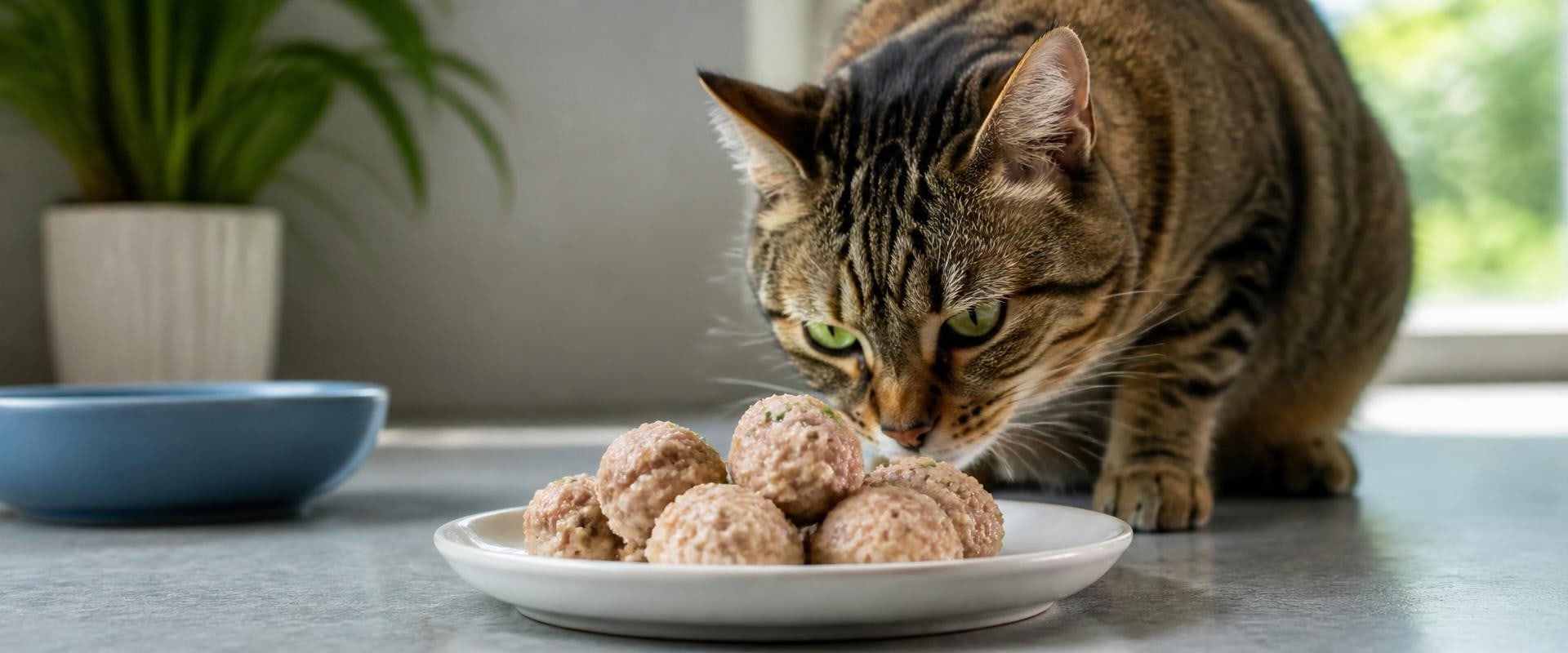
If you’re a devoted cat owner, you know that our feline friends deserve nothing but the best when it comes to their diet.
Tuna Balls for Cats
are not just a delicious treat; they are a delightful way to spoil your kitty while providing them with the nutrients they need to thrive. Imagine your cat’s eyes lighting up with joy as they savor these tasty morsels that combine the irresistible flavor of tuna with wholesome ingredients!Creating homemade treats is an excellent way to ensure your pet is consuming healthy, natural ingredients without any hidden additives or preservatives often found in store-bought options. In this article, we will guide you through the simple process of making Tuna Balls for Cats, exploring the benefits of each ingredient and how they contribute to your cat's well-being. Whether you’re looking to reward your furry companion during training sessions or simply want to show them some extra love, these tuna balls are sure to become a favorite.Plus, the satisfaction of preparing something special for your pet is unmatched!So, roll up your sleeves and get ready to impress your feline friend with these scrumptious homemade treats. Let’s dive into the world of Tuna Balls for Cats and discover how easy it is to whip up a batch that will have your kitty purring with delight!When it comes to feeding your feline friend, the nutritional benefits of Tuna Balls for Cats cannot be overstated. Tuna is an excellent source of protein, which is essential for maintaining your cat's muscle health and overall well-being. Additionally, tuna is rich in omega-3 fatty acids, which can help promote a healthy coat and support brain function.
These benefits make tuna a valuable addition to your cat's diet, especially when prepared in the form of homemade treats. One of the most important aspects of making Tuna Balls for Cats is using fresh, high-quality ingredients. Just like humans, cats thrive on nutritious food that is free from artificial additives and preservatives. By choosing fresh tuna and other natural ingredients, you ensure that your cat receives the best possible nutrition. This commitment to quality contributes to your cat's overall health, potentially reducing the risk of common ailments associated with poor diet. Now that we understand the benefits of using tuna, let's dive into a simple recipe for making Tuna Balls for Cats.
This recipe is not only easy to follow but also requires minimal preparation time. You will need the following ingredients: one can of tuna in water (drained), half a cup of oat flour, one egg, and a tablespoon of catnip (optional). The preparation time is approximately 10 minutes, with an additional baking time of 15 minutes. To begin, preheat your oven to 350°F (175°C). In a mixing bowl, combine the drained tuna, oat flour, and egg.
If you choose to use catnip for added flavor and appeal, mix it in at this stage. Use your hands to form small balls from the mixture, placing them on a baking sheet lined with parchment paper. Bake the tuna balls in the preheated oven for about 15 minutes or until they are golden brown. Allow them to cool before serving. When it comes to serving suggestions, you can offer these Tuna Balls for Cats as an occasional treat or as part of their regular feeding routine.
However, it's important to remember that treats should only make up a small portion of your cat's diet. A general guideline is to limit treats to about 10% of their daily caloric intake. Storage is also an important consideration for homemade treats. Once cooled, you can store Tuna Balls for Cats in an airtight container in the refrigerator for up to five days. For longer storage, consider freezing them in small portions so you can easily thaw one or two as needed. While many cat owners are enthusiastic about including tuna in their pets' diets, there are common concerns regarding mercury levels in fish.
It's essential to balance your cat's diet by incorporating a variety of proteins and not solely relying on tuna. Moderation is key; serving tuna balls occasionally rather than daily can help mitigate any potential risks associated with mercury exposure. If your cat has specific dietary needs or allergies, there are alternatives to consider. For instance, if your cat cannot tolerate fish or grains, you might opt for chicken or turkey as the main ingredient in similar treat recipes. Always consult with your veterinarian when introducing new foods into your cat's diet, especially if they have known sensitivities. Incorporating Tuna Balls for Cats into your pet's feeding routine can be both enjoyable and beneficial.
You might find that your cat eagerly anticipates treat time each day! While some may argue that commercial options are more convenient, homemade treats provide greater control over the ingredients and can be tailored to meet your cat's specific needs. Ultimately, making Tuna Balls for Cats at home allows you to provide wholesome snacks that contribute positively to your pet's health while strengthening your bond through shared moments of joy during treat time.
Storage and Serving Suggestions
To keep your Tuna Balls for Cats fresh and flavorful, proper storage is essential. After preparing the tuna balls, allow them to cool completely before storing them in an airtight container. This will help prevent moisture buildup, which can lead to spoilage. You can store the tuna balls in the refrigerator for up to three days.For longer storage, consider freezing them. Place the tuna balls in a freezer-safe container or bag, separating layers with parchment paper to prevent sticking, and they can last for up to three months. When it comes to serving sizes, it’s important to consider your cat's size and dietary needs. As a general guideline, you can serve one tuna ball for every 10 pounds of your cat’s weight as an occasional treat. This way, you can ensure that your feline friend enjoys these tasty bites without overindulging.
Always supervise your cat while enjoying their tuna ball, especially if it's their first time trying this delicious treat!
Considerations for Feeding Cats Tuna
While Tuna Balls for Cats can be a delightful treat, it is essential to consider several factors regarding the frequency and quantity of tuna in your cat's diet. Tuna, particularly in its canned form, is often high in mercury and may not be suitable for regular consumption. Therefore, moderation is key. Most veterinarians recommend that tuna should be given as an occasional treat rather than a staple of your cat's diet. A good rule of thumb is to limit tuna to once or twice a week to avoid potential health risks associated with excessive mercury intake.It is also advisable to start with small amounts to see how your cat reacts. Additionally, ensure that the tuna you offer is packed in water rather than oil or brine, as these can add unnecessary fats and sodium to your cat's diet. Always check labels and choose high-quality, human-grade tuna when preparing Tuna Balls for Cats.Lastly, keep an eye on your cat's overall health and consult your veterinarian if you have any concerns or if you notice any adverse reactions after introducing tuna into their diet.
Nutritional Benefits of Tuna for Cats
Tuna is not only a tasty treat for your feline friend, but it also comes packed with numerous health benefits. One of the primary advantages of feeding your cat tuna is its high protein content. Protein is essential for maintaining healthy muscles, tissues, and overall body function in cats. In addition to being a great source of protein, tuna is rich in omega-3 fatty acids.These fatty acids play a crucial role in promoting a shiny coat, reducing inflammation, and supporting cardiovascular health. The anti-inflammatory properties of omega-3s can be particularly beneficial for older cats or those with joint issues. Tuna also provides essential vitamins and minerals, including vitamin B12 and selenium. Vitamin B12 is vital for proper nerve function and the production of red blood cells, while selenium acts as an antioxidant, helping to protect your cat's cells from damage. However, it's essential to serve tuna in moderation. While it offers many health benefits, excessive consumption can lead to mercury exposure and nutritional imbalances.
Always ensure that homemade treats like tuna balls are part of a balanced diet.
Easy Tuna Ball Recipe
If you're looking for a simple and nutritious treat for your feline friend, this Tuna Balls for Cats recipe is perfect! Made with natural ingredients, these tuna balls are not only easy to prepare but also packed with flavor that your cat will love. Follow these step-by-step instructions to create your homemade cat treats.Ingredients:
- 1 can (5 oz) of tuna in water, drained
- 1/4 cup of oat flour (you can make this by grinding oats in a blender)
- 1/4 cup of finely chopped parsley (optional for added nutrition)
- 1 egg
- 1 tablespoon of olive oil
- Preheat your oven to 350°F (175°C).
- In a mixing bowl, combine the drained tuna, oat flour, chopped parsley, egg, and olive oil.
- Mix the ingredients thoroughly until they form a dough-like consistency.
- Using your hands, shape the mixture into small balls, about 1 inch in diameter.
- Place the tuna balls on a parchment-lined baking sheet, making sure they are spaced apart.
- Bake in the preheated oven for 10-12 minutes or until they are slightly golden and firm to the touch.
- Allow the tuna balls to cool completely before serving them to your cat.
Alternatives for Dietary Needs
When it comes to providing Tuna Balls for Cats, it's essential to consider that not all felines have the same dietary needs or preferences. Some cats may have allergies, sensitivities, or specific health conditions that require alternative ingredients.Here are a few suggestions for Tuna Balls recipes tailored for cats with various dietary restrictions:Grain-Free Tuna Balls: For cats that are sensitive to grains, you can create Tuna Balls using almond flour or coconut flour instead of traditional breadcrumbs. Simply mix canned tuna with an egg and your chosen flour until you achieve a dough-like consistency. Form into balls and bake until golden.
Low-Carb Tuna Balls:
If your cat is on a low-carb diet, consider using mashed pumpkin or sweet potato as a binder instead of traditional flours. Combine canned tuna, a small amount of mashed pumpkin, and an egg.Bake until firm for a nutritious treat that is low in carbohydrates.
Tuna Balls for Allergies:
For cats with specific protein allergies, you can substitute tuna with cooked chicken or salmon. Ensure to use fresh, natural ingredients without any added preservatives or spices. The process remains the same: mix your chosen protein with an egg and appropriate binder before baking.Vegetarian Option:
While cats are obligate carnivores, some cat owners may want to experiment with vegetarian options for their pets. You can make Tuna Balls using plant-based protein sources such as lentils or chickpeas blended with nutritional yeast for flavor.However, it’s crucial to consult with a veterinarian before making significant changes to your cat's diet. By considering these alternatives, you can create Tuna Balls for Cats that cater to their unique dietary needs while still being delicious and enjoyable!In conclusion, homemade treats like Tuna Balls for Cats offer a delightful and nutritious option for enhancing your feline friend’s diet. By using fresh, natural ingredients, you can ensure that your cat enjoys a tasty snack while reaping the many nutritional benefits of tuna. Throughout this article, we explored the easy tuna ball recipe, along with storage and serving suggestions, and important considerations when feeding your cat tuna. We encourage you to get creative in the kitchen! Experiment with different flavors and ingredients to find the perfect combination that suits your cat’s palate while keeping their health in mind. Don’t hesitate to share your experiences and any unique variations you try, as the journey of homemade pet treats can be both fun and rewarding for you and your furry companion.