- Homemade Cat Food Recipes
- Easy Cat Food Recipes
- Quick Chicken Cat Food Recipe
Quick Chicken Cat Food Recipe for Healthy Felines
Discover a simple and nutritious chicken cat food recipe to provide your pet with a healthy alternative to commercial options.
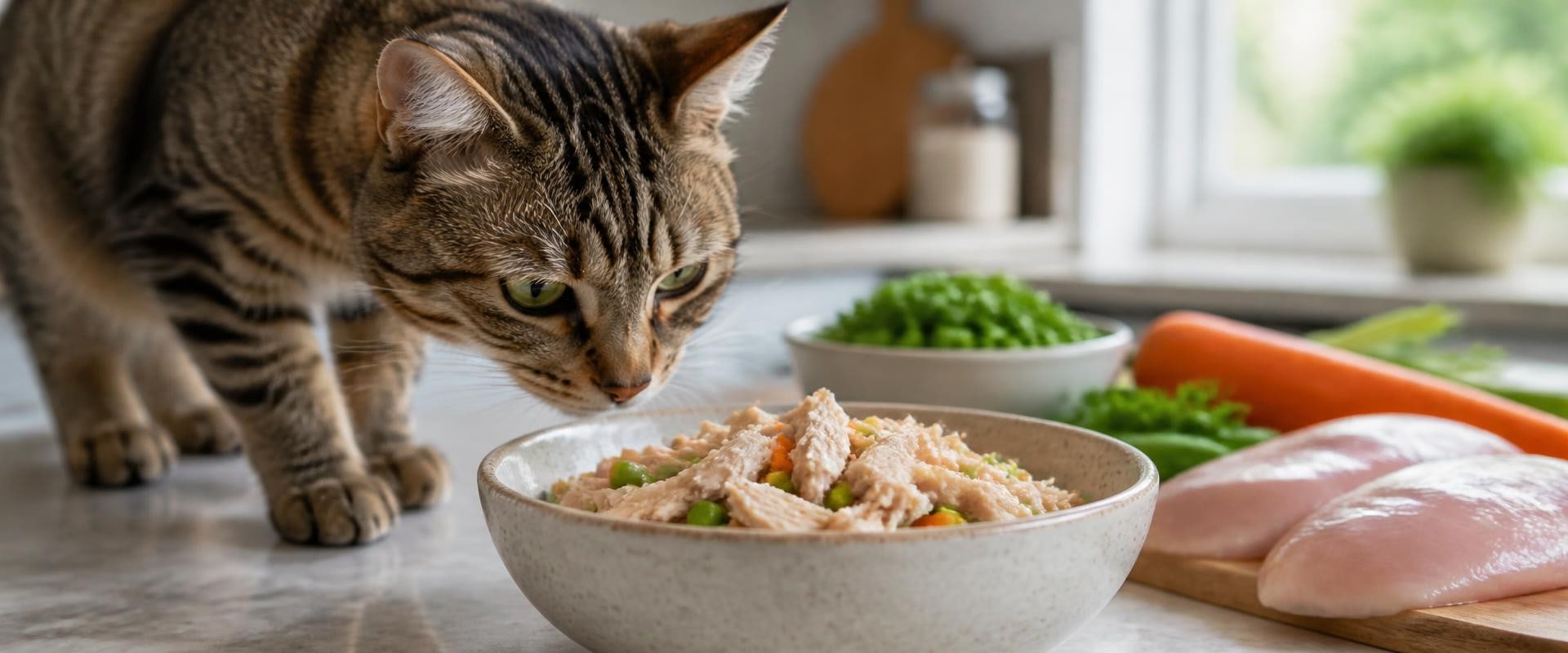
Are you a devoted cat owner searching for a Quick Chicken Cat Food RecipeQuick Chicken Cat Food Recipe that will not only satisfy your feline's taste buds but also contribute to their overall health? Look no further! Cats are obligate carnivores, which means that their diet is primarily meat-based. Providing them with homemade meals can ensure that they receive the right nutrients tailored to their specific needs. In this article, we'll guide you through a delicious and easy-to-prepare chicken recipe that your furry friend will love. Making your own cat food might seem daunting, but it can be a rewarding experience that strengthens the bond between you and your pet. With just a few simple ingredients and minimal time, you can whip up a nourishing meal that avoids the preservatives and fillers often found in commercial cat foods.
This Quick Chicken Cat Food Recipe is designed for busy pet owners who want to provide the best for their cats without spending hours in the kitchen. Join us as we explore the benefits of homemade cat food, the essential ingredients you'll need, and step-by-step instructions to make mealtime exciting for your beloved feline. Whether you're looking to improve your cat's diet or simply want to treat them to something special, this recipe is sure to become a favorite in your household. Let’s dive in and discover how easy it can be to prepare healthy, delicious meals that your cat will adore!Preparing a Quick Chicken Cat Food Recipe is a rewarding experience for both you and your feline friend. Homemade cat food allows you to take control of the ingredients, ensuring that your cat receives a diet filled with nutrients that promote health and vitality.
To make this recipe, the first step is ingredient selection. For this recipe, you will need fresh chicken, carrots, peas, and a few optional supplements like fish oil or taurine, which are crucial for your cat's overall health. Start with fresh chicken, preferably boneless and skinless, as these cuts are lean and free from excess fat. Aim for organic chicken if possible, as it is free from hormones and antibiotics that could affect your pet's health. Next, choose vegetables like carrots and peas.
Carrots are rich in vitamins A and K, while peas provide a good source of protein and fiber. Once you have gathered your ingredients, it’s time to prepare them. Begin by thoroughly washing the vegetables to remove any dirt or pesticides. Chop the carrots into small pieces to ensure they cook evenly and can be easily consumed by your cat. For the chicken, cut it into small cubes to facilitate cooking. Next, in a pot, add the chopped chicken along with a small amount of water or chicken broth (ensure it’s low sodium) to keep the meat moist during cooking.
Cook the chicken over medium heat until it is fully cooked through, which typically takes about 10-15 minutes. During the last few minutes of cooking, add the chopped carrots and peas to the pot. This helps preserve their nutrients while ensuring they are tender enough for your cat to eat. Once everything is cooked, allow it to cool slightly before blending or chopping it into smaller pieces suitable for your feline friend. It’s important to let it cool down sufficiently to avoid burns when serving. The nutritional benefits of each ingredient are significant.
Chicken is an excellent source of protein essential for muscle development and energy. The vegetables not only provide vitamins but also fiber that aids in digestion, making your cat feel full without unnecessary calories. Incorporating supplements such as fish oil can enhance coat health and support joint function, while taurine is vital for heart health and vision in cats. If your cat has specific dietary needs or preferences, consider customizing this Quick Chicken Cat Food Recipe. For instance, if your cat is allergic to chicken, you can substitute turkey or even fish.
Similarly, if your feline friend does not enjoy peas, other vegetables like spinach or green beans can be used instead. Always ensure that any new ingredients are safe for cats and consult with a veterinarian if you have concerns about allergies or nutritional adequacy. Storage is an essential aspect of homemade cat food. Once you have prepared the food, allow it to cool completely before storing it in an airtight container in the refrigerator. Homemade cat food can typically be stored for 3-5 days in the fridge.
If you want to prepare larger batches, consider freezing portions in freezer-safe containers or bags; just be sure to thaw it safely in the refrigerator before serving. Serving suggestions are simple with this recipe; serve the meal at room temperature to ensure it's palatable for your cat. You may also mix in some of their regular dry food if they enjoy crunching while eating. However, keep an eye on portion sizes to ensure balanced nutrition. While some pet owners might have concerns about homemade recipes regarding balanced nutrition and ingredient safety, it’s important to note that as long as you include a variety of ingredients and consult with a veterinarian about your cat’s specific needs, homemade meals can be incredibly beneficial. Ensuring that every meal includes proteins, carbohydrates from vegetables, and essential fatty acids will help maintain balance.
Additionally, always use fresh ingredients and avoid any toxic foods such as onions or garlic. In summary, making a Quick Chicken Cat Food Recipe is not only straightforward but also enhances your cat’s diet with natural ingredients that promote better health. By focusing on quality ingredients and proper preparation methods, you can provide your feline companion with delicious meals tailored to their needs.
Choosing Quality Ingredients
When preparing a Quick Chicken Cat Food Recipe, the first step is selecting high-quality ingredients. The quality of the chicken and other components directly affects your cat's health and wellbeing. Start by choosing fresh, whole chickens or chicken parts that are free from preservatives and additives.Look for products that are labeled as organic or free-range, as these options tend to be more humane and often contain fewer chemicals. Organic chickens are raised without the use of antibiotics or growth hormones, which can lead to healthier meat. Additionally, free-range chickens have access to outdoor spaces, allowing them to forage naturally, which can enhance the nutritional profile of the meat. When selecting chicken, always check for signs of freshness such as a clean smell and firm texture. In addition to chicken, consider incorporating other fresh ingredients like vegetables or grains that are safe for cats. Ingredients such as carrots or peas provide essential nutrients and fiber, promoting better digestion.
Always ensure that any additional ingredients are suitable for feline diets, as some human foods can be harmful to cats. By prioritizing quality ingredients in your Quick Chicken Cat Food Recipe, you not only improve the taste but also support your cat's overall health and longevity.
Storage and Serving Suggestions
Proper storage and serving of your homemade Quick Chicken Cat Food Recipe is essential to ensure your feline friend enjoys fresh and safe meals. Begin by allowing the prepared food to cool completely before storing it. This prevents condensation and moisture buildup, which can lead to spoilage. Once cooled, transfer the cat food into airtight containers. Glass or BPA-free plastic containers are ideal for this purpose.Label each container with the date of preparation to keep track of freshness. Homemade cat food can typically be stored in the refrigerator for up to three days. If you’ve made a larger batch, consider freezing portions for later use. Frozen cat food can last up to three months. When it’s time to serve your homemade Quick Chicken Cat Food Recipe, simply thaw the desired portion in the refrigerator overnight or use a microwave on a low setting.
Always stir the food well after reheating to ensure even temperature distribution and avoid hot spots that could burn your cat’s mouth. Serve the food at room temperature, as most cats prefer their meals not too hot or too cold. Finally, always monitor your cat's reaction to new foods. Introduce homemade recipes gradually and consult with your veterinarian if you have concerns about dietary changes.
Nutritional Benefits
When preparing a Quick Chicken Cat Food Recipe, it is essential to consider the nutritional value of the ingredients used. Fresh, high-quality components not only appeal to your feline's palate but also provide vital nutrients that contribute to their overall health. Chicken, the primary ingredient, is an excellent source of protein, which is crucial for maintaining lean muscle mass in cats.Proteins are also necessary for the production of enzymes and hormones, supporting various bodily functions. Additionally, chicken contains essential amino acids such as taurine, which is vital for heart health and vision. Incorporating vegetables like carrots or peas can enhance the nutritional profile of your Quick Chicken Cat Food Recipe. Carrots provide beta-carotene, which the body converts into vitamin A, an important nutrient for vision and immune function. Peas add fiber to the recipe, promoting healthy digestion and preventing constipation. Furthermore, adding a small amount of fish oil can introduce omega-3 fatty acids, known for their anti-inflammatory properties and benefits for skin and coat health.
Omega-3s also support cognitive function in cats, particularly as they age. By selecting natural ingredients rich in vitamins and minerals, you can ensure that your homemade cat food not only satisfies your pet's taste buds but also nourishes their body effectively.
Customizing for Health Needs
Every cat is unique, and their dietary needs can vary significantly based on age, health status, and individual preferences. When preparing a Quick Chicken Cat Food Recipe, it’s essential to consider how to customize the ingredients to cater to your feline's specific health requirements. If your cat has known allergies or sensitivities, start by identifying the allergens. Common allergens in cats include chicken, beef, and fish. If your cat is allergic to chicken, you might substitute it with turkey or rabbit meat.Always ensure that any substitute is safe and appropriate for your cat's dietary needs. For cats with digestive issues, such as sensitive stomachs or gastrointestinal problems, incorporating easily digestible ingredients can be beneficial. You could add pureed pumpkin or sweet potato to the recipe, as these ingredients are gentle on the stomach and can help regulate digestion. Cats suffering from conditions like diabetes may require a diet lower in carbohydrates. In such cases, focus on high-protein ingredients while avoiding fillers like rice or corn. Additionally, consulting with your veterinarian before making significant changes to your cat's diet is always advisable to ensure you're meeting their nutritional needs effectively. Lastly, consider your cat’s age and activity level.
Kittens may require more protein and calories for growth, while senior cats might benefit from lower-calorie recipes that help maintain a healthy weight. Tailoring your Quick Chicken Cat Food Recipe to fit these considerations will not only satisfy your cat's taste buds but also support their overall health.
Preparation Steps
To create a delicious and nutritious Quick Chicken Cat Food Recipe for your feline friend, follow these straightforward preparation steps. Start by gathering all the necessary ingredients to ensure a smooth cooking process.Ingredients:
- 2 boneless, skinless chicken breasts
- 1/2 cup of carrots, diced
- 1/4 cup of peas (fresh or frozen)
- 1/4 cup of chicken broth (low sodium)
- 1 tablespoon of olive oil
If you're using frozen peas, there's no need to thaw them; they can be added directly to the cooking mixture.
Step 2: Cooking the Chicken
In a medium-sized pot, heat the olive oil over medium heat. Add the chicken breasts and cook them for about 5-7 minutes on each side until they are no longer pink in the center. To ensure even cooking, consider using a meat thermometer; the internal temperature should reach 165°F (75°C).Step 3: Adding Vegetables
Once the chicken is cooked, remove it from the pot and let it cool slightly. In the same pot with the leftover oil, add the diced carrots and peas.Sauté them for about 3-4 minutes until they are tender.
Step 4: Mixing Ingredients
While the vegetables are cooking, shred the cooked chicken into small pieces. After the vegetables have softened, return the shredded chicken to the pot. Pour in the chicken broth to create a flavorful mixture.Step 5: Final Mixing and Serving
Stir all ingredients together until well combined. Let the mixture cool down before serving it to your cat.You can store any leftovers in an airtight container in the refrigerator for up to three days.
Tips for Easy Preparation:
- Consider using a slow cooker for hands-free cooking; just add all ingredients and set it on low for several hours.
- If you're short on time, you can use pre-cooked rotisserie chicken instead of raw chicken breasts.
- Chop vegetables in advance and store them in the fridge for quicker access when you're ready to cook.
Remember to consider proper storage and serving suggestions to maintain the freshness and safety of your homemade meals. We encourage you to try this Quick Chicken Cat Food Recipe and observe any positive changes in your pet's health or behavior. Your feedback is invaluable, so please share your experiences and any variations you might experiment with. Together, we can foster a community of health-conscious pet owners committed to providing the best for our beloved felines.