- Pet Nutrition Tips
- Specific Nutritional Needs
- Nutrition for Senior Pets
Essential Nutrition for Senior Pets: Natural Recipes and Tips
Explore natural pet food recipes, tips on pet nutrition, and dietary solutions for senior pets' health needs.
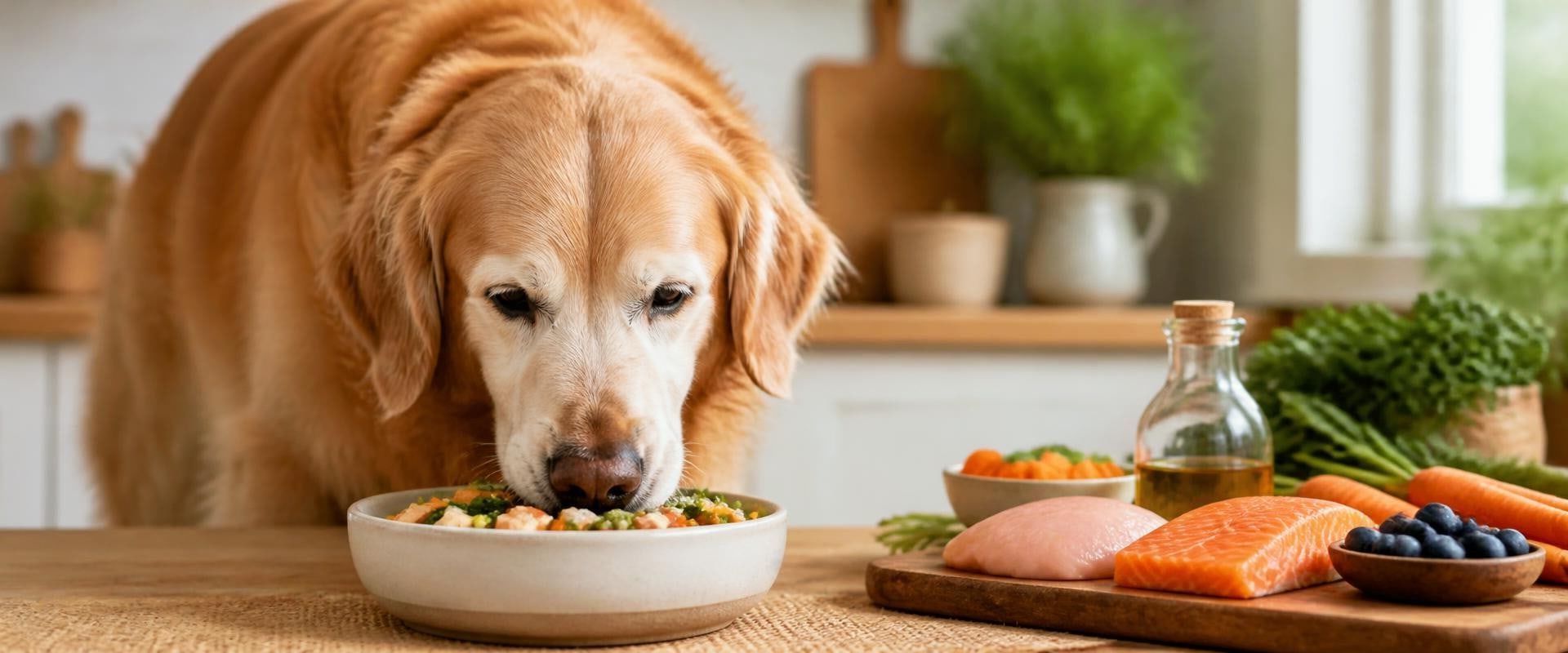
As our furry friends age, their nutritional needs change, making it crucial for pet owners to understand the importance of Nutrition for Senior Pets. Just like humans, older pets require a tailored diet that supports their health and vitality during their golden years. This transition can be overwhelming, especially with the myriad of options available in the market. However, with a bit of knowledge and creativity, you can ensure that your senior pet enjoys not just a longer life, but a happier and healthier one.
In this article, we delve into essential dietary requirements for senior pets and provide you with natural recipes that cater to their specific needs. We will explore various ingredients that are beneficial for older pets, discuss how to adjust portion sizes, and share tips on monitoring their health through diet. Additionally, we will touch upon common health issues faced by senior pets and how appropriate nutrition can mitigate these problems. Whether you have a wise old dog who loves to nap in the sun or a regal cat who enjoys lounging by the window, understanding their unique dietary requirements is key to ensuring they remain active and joyful.
Join us as we navigate the world of senior pet nutrition, empowering you to provide the best for your beloved companions!As pets age, their nutritional needs change significantly.
Nutrition for senior pets
is crucial for enhancing their quality of life, managing health issues, and potentially prolonging their lifespan. A balanced diet tailored to the specific requirements of senior pets can help them maintain a healthy weight, support their immune systems, and ensure they have the energy to enjoy their golden years. One of the primary concerns when it comes to senior pet nutrition is ensuring they receive balanced proteins. Older pets require higher-quality proteins to maintain muscle mass, which can decline with age.Lean meats such as chicken, turkey, and fish are excellent sources of protein that are easy for senior pets to digest. Healthy fats are also essential; incorporating sources like fish oil can support joint health and improve coat condition. In addition to proteins and fats, senior pets have specific requirements for vitamins and minerals. Antioxidants, such as vitamins C and E, can help combat oxidative stress, while calcium and phosphorus are vital for maintaining bone health. It’s also important to consider other micronutrients that support various bodily functions; for instance, B vitamins are crucial for energy metabolism. Common health issues in senior pets include obesity, arthritis, and kidney problems.
Obesity can be particularly detrimental as it puts extra strain on joints and increases the risk of diabetes. Diet plays a significant role in weight management; therefore, portion control and choosing low-calorie food options are essential. For pets suffering from arthritis, anti-inflammatory ingredients can be beneficial. Ingredients like turmeric and omega-3 fatty acids can help reduce inflammation and alleviate pain. Kidney issues are another concern for aging pets.
A diet lower in protein but higher in quality can help manage kidney function without placing undue stress on these vital organs. It's also beneficial to include moisture-rich foods or to add water to meals to encourage hydration. When considering what to include in a homemade diet for senior pets, safe and beneficial ingredients should be prioritized. Lean meats provide the necessary protein, while vegetables such as sweet potatoes and carrots offer essential nutrients and fiber. Grains like brown rice or quinoa can serve as good carbohydrate sources that are easy on the digestive system. However, there are certain ingredients that should be avoided when preparing meals for senior pets.
Onions, garlic, chocolate, grapes, and raisins are toxic to both dogs and cats and should never be included in their diets. Additionally, certain spices like nutmeg can be harmful. Always consult with a veterinarian before making any significant changes to a pet's diet. For those looking to create homemade meals for their senior dogs, here are a couple of simple recipes: Start with a basic chicken and vegetable stew by boiling lean chicken breast in water with diced sweet potatoes and carrots until fully cooked. This can be served over brown rice for added fiber.
For cats, a simple tuna mix can be made using canned tuna (in water), finely chopped spinach, and a small amount of cooked quinoa mixed together for a nutrient-rich meal. The debate over homemade diets versus commercial options is ongoing among pet owners and veterinarians alike. Proponents of homemade diets argue that they provide fresher ingredients without preservatives or fillers often found in commercial foods. However, veterinarians may warn that it can be challenging to create nutritionally complete meals at home consistently. It’s crucial to consult with a veterinary nutritionist when considering homemade diets to ensure that all nutritional needs are met adequately. In conclusion, nutrition for senior pets is not just about feeding them; it’s about enriching their lives through a well-thought-out diet that caters to their changing needs.
By understanding the specific nutritional requirements of senior pets and incorporating safe, beneficial ingredients into their diets while avoiding harmful substances, pet owners can significantly improve their furry companions' well-being during their later years.
What to Avoid in Pet Diets
When it comes to feeding senior pets, it is crucial to be aware of what ingredients can be detrimental to their health.Harmful ingredients
often found in commercial pet foods can lead to various health issues, including obesity, allergies, and digestive problems. For instance, artificial preservatives like BHA and BHT, commonly used to prolong shelf life, can have toxic effects over time. Similarly, fillers such as corn and soy may not provide the necessary nutrients that senior pets require, leading to malnutrition. Moreover, many pet owners harbor common misconceptions about the dietary needs of their aging companions.One prevalent myth is that all fats are bad; however, healthy fats like omega-3 fatty acids are essential for maintaining joint health and cognitive function in senior pets. It's also a misconception that senior pets need significantly less protein; while their metabolism may slow down, high-quality protein is still vital for muscle maintenance and overall health. Additionally, certain human foods are harmful and should be strictly avoided in a senior pet's diet. Ingredients such as chocolate, onions, garlic, grapes, and raisins can be toxic and even fatal to pets. It's important for pet owners to read labels carefully and remain informed about what constitutes a safe and nutritious diet for their senior pets.
Understanding Senior Pet Nutrition
As pets age, their nutritional needs change significantly.Senior pets often require a different balance of nutrients compared to their younger counterparts. It's essential to understand these specific dietary needs to ensure their health and well-being. One of the primary changes in senior pet nutrition is the need for lower calories. Older pets tend to be less active, which means they require fewer calories to maintain a healthy weight. However, it is crucial to ensure that their diet is still rich in essential nutrients. Additionally, senior pets often benefit from diets that are high in fiber.
Increased fiber can help with digestive health and prevent issues such as constipation. It's also important to include quality sources of protein, as older pets may experience muscle loss and require more protein to maintain their muscle mass. Senior pets may also have specific health concerns, such as arthritis or kidney disease, which can influence their dietary requirements. For instance, pets with arthritis may benefit from diets enriched with omega-3 fatty acids, which can help reduce inflammation and improve joint health. Another consideration is the importance of hydration. Older pets are more prone to dehydration, so incorporating moisture-rich foods or ensuring they have access to fresh water at all times is vital. Overall, understanding these specific dietary needs for senior dogs and cats allows pet owners to make informed decisions about their nutrition, ultimately enhancing their quality of life and longevity.
Delicious Natural Recipes
Creating nutritious meals for your senior pets can be both enjoyable and rewarding.Here are some simple recipes that focus on the specific dietary needs of older animals, ensuring they receive the essential nutrients they require.
Chicken and Brown Rice
: This recipe is easy to prepare and packed with protein. Start by boiling 1 cup of brown rice and set it aside. In a separate pot, cook 2 cups of chopped chicken (preferably boneless and skinless) until thoroughly cooked. Combine the chicken with the rice and add 1 cup of steamed carrots for added vitamins.Mix well and serve it warm.
Salmon and Sweet Potato
: Rich in omega-3 fatty acids, salmon is excellent for senior pets. Bake 1 fillet of salmon until flaky, then mash 1 cooked sweet potato in a bowl. Flake the salmon into the sweet potato and mix. This recipe not only provides healthy fats but also helps with joint health.Vegetable Medley
: A colorful mix of vegetables can be very appealing to pets.Use 1 cup each of green beans, peas, and carrots; steam them until soft. Blend the vegetables with a small amount of low-sodium chicken broth to create a tasty side dish that pairs well with any protein source. These recipes are not only delicious but also easy to prepare, ensuring your senior pets enjoy their meals while receiving the nutrition they need.
Key Ingredients for Healthy Meals
As our pets age, their nutritional needs evolve, making it crucial to incorporate beneficial ingredients into their meals. Below are some key components that can enhance the health and well-being of senior pets:Lean Proteins: Including lean proteins such as chicken, turkey, and fish is essential for maintaining muscle mass and supporting overall vitality. Proteins are vital for repairing tissues and keeping the immune system strong.Omega-3 Fatty Acids:
Found in fish oil and flaxseed, omega-3 fatty acids help reduce inflammation and support joint health.They also promote a healthy coat and skin, which can become more sensitive as pets age.
Whole Grains:
Brown rice, quinoa, and oats serve as excellent sources of energy and fiber. These grains aid in digestion and provide essential nutrients that can help regulate blood sugar levels.Fruits and Vegetables:
Incorporating a variety of fruits and vegetables such as blueberries, carrots, and sweet potatoes offers antioxidants, vitamins, and minerals. These foods support the immune system and can help combat age-related diseases.Probiotics:
Adding probiotics to your senior pet's diet can improve gut health and enhance nutrient absorption. Foods like plain yogurt or probiotic supplements can be beneficial.Bone Broth:
Rich in nutrients, bone broth is not only flavorful but also provides hydration and supports joint health.It can be a great addition to homemade meals. By focusing on these key ingredients, pet owners can create balanced and nutritious meals that cater to the specific needs of their senior pets, ultimately contributing to a healthier and more fulfilling life. In conclusion, Nutrition for Senior Pets plays a crucial role in enhancing their quality of life. By understanding the unique dietary needs of older animals, pet owners can make informed choices that support their health and well-being. We discussed the importance of key ingredients that contribute to a balanced diet and shared delicious natural recipes that are both nutritious and appealing. Additionally, it is vital to recognize what to avoid in your pet's diet to prevent any adverse health effects. Preparing natural meals not only allows you to control the quality of ingredients but also fosters a deeper bond with your furry friend.
However, we encourage you to consult with a veterinarian before implementing any significant dietary changes, as each pet has unique needs. Always monitor your pet's response to new foods to ensure they are thriving on their new diet.