- Raw Food Diet for Pets
- Raw Feeding Guidelines
- How to Transition to a Raw Diet
Transitioning Your Pet to a Raw Diet: A Step-by-Step Approach
Discover how to transition your pet to a raw diet with healthy recipes, nutritional tips, and safe ingredients.
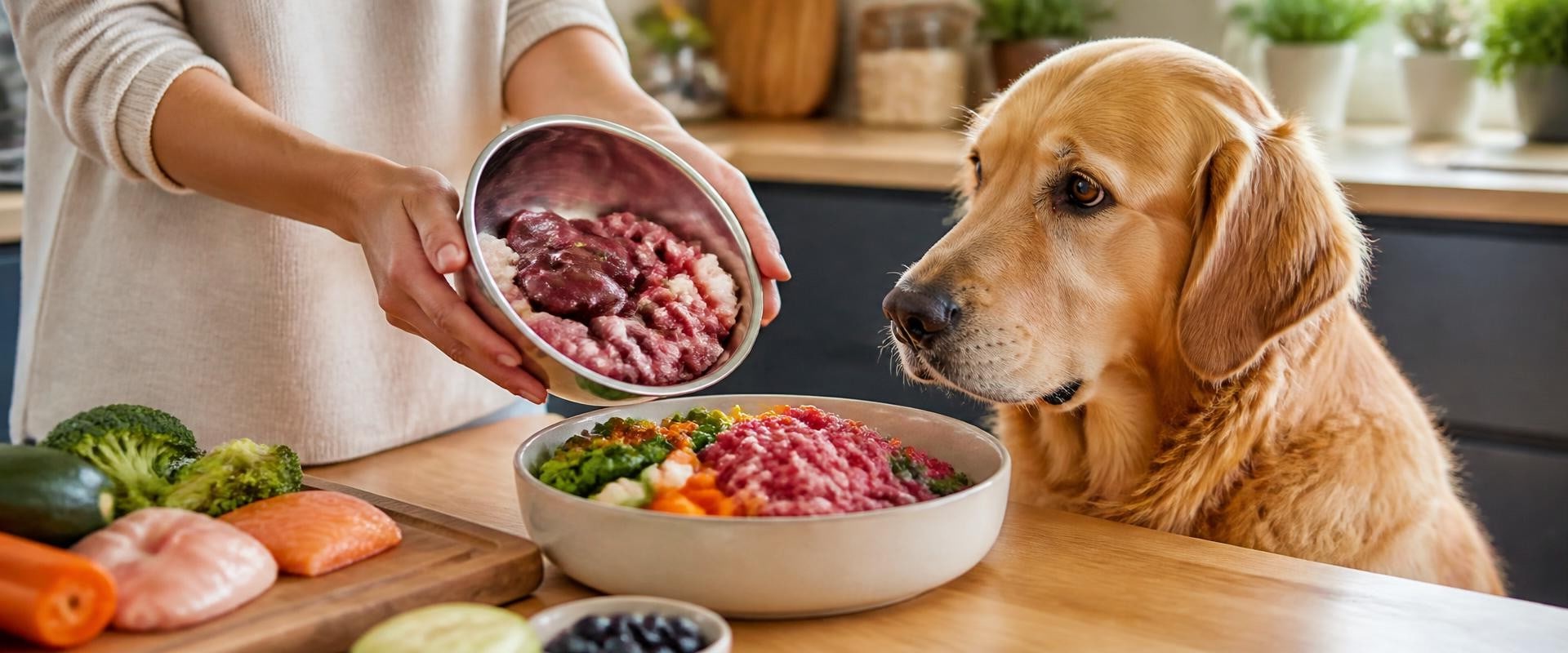
Are you considering making the switch to a raw diet for your furry friend? Transitioning Your Pet to a Raw Diet can be a rewarding yet challenging journey, filled with questions and uncertainties. Many pet owners are increasingly turning to this natural feeding method, drawn by the potential health benefits it can offer. However, the transition process requires careful planning and understanding to ensure your pet adapts smoothly. In this comprehensive guide, we will walk you through a step-by-step approach to successfully introduce raw food into your pet's diet. From understanding the nutritional needs of your pet to selecting the right ingredients and establishing a feeding routine, we've got you covered.
Whether you have a dog or a cat, this article will help you navigate the intricacies of raw feeding. Join us as we explore the essential tips and strategies that will not only make the transition easier but also help you feel confident in your choice. Prepare to embark on a journey that could enhance your pet's health, vitality, and happiness!Transitioning your pet to a raw diet can be a rewarding journey for both you and your furry friend. However, it is crucial to begin this process by consulting a veterinarian. A veterinary professional can provide personalized advice, ensuring that the transition is safe and suitable for your pet's specific health needs. Once you have the green light from your vet, the next step is to consider a gradual transition method.
This is essential, as suddenly changing a pet's diet can lead to digestive upset. One effective approach is to mix a small amount of raw food with your pet's current food, gradually increasing the proportion of raw ingredients over time. For example, you could start by replacing 10% of their meal with raw food, then increase to 25%, and so on until your pet is entirely on a raw diet. When preparing meals for pets on a raw diet, variety is key. Here are simple recipes for both dogs and cats that emphasize fresh ingredients:For Dogs:
1.Chicken and Vegetable Mix: Combine ground chicken, chopped carrots, peas, and sweet potatoes.
Add a small amount of fish oil for omega-3 fatty acids.
2.Beef and Rice Bowl: Use ground beef, cooked brown rice, and diced green beans. Supplement with a multivitamin designed for dogs.
For Cats:
1.Fish Feast: Mix raw fish (like salmon or tuna), finely shredded broccoli, and a sprinkle of taurine powder to meet their nutritional needs.
2.Chicken Liver Delight: Combine chicken liver with shredded chicken breast and a few slices of carrot. Sourcing quality ingredients is essential for a successful raw diet. Look for reputable suppliers who provide fresh, organic products. Local farmers' markets, butcher shops, or online raw food suppliers can be excellent sources.
Always ensure that you are purchasing meats that are fit for human consumption to guarantee safety and quality. Safe handling practices cannot be overstated when dealing with raw meat. Always wash your hands before and after handling raw food, use separate cutting boards for meat and vegetables, and thoroughly clean any utensils used during preparation. Portion control is also vital; consult your veterinarian to determine the appropriate serving sizes based on your pet's weight, age, and activity level. It’s important to consider specific dietary needs based on your pet's health conditions. Pets with allergies may require hypoallergenic proteins like kangaroo or venison.
For overweight pets, focus on lean proteins and lower calorie vegetables to help manage weight effectively. During the transition, you may encounter challenges such as picky eaters or digestive issues. If your pet refuses to eat the new food, try warming it slightly or adding a bit of low-sodium broth to make it more enticing. If digestive issues arise—such as diarrhea or vomiting—slow down the transition process even further until their system adjusts. Monitoring their stool can help you gauge how well they are adapting to the new diet. Many pet owners have successfully transitioned their pets to a raw diet, sharing testimonials about their experiences.
One owner noted how her dog's coat became shinier and healthier after switching from kibble to raw feeding. Another shared how her cat's energy levels increased dramatically within weeks of making the change. The journey of transitioning your pet to a raw diet requires patience and understanding but can lead to significant improvements in their overall health and happiness. By following these guidelines and being attentive to your pet's needs, you can make this transition as smooth as possible.
Addressing Common Concerns
Transitioning to a raw diet can be a daunting prospect for many pet owners, often accompanied by a range of concerns. One of the primary worries is the safety of raw feeding.It is important to understand that, while there are risks associated with handling raw meat, these can be mitigated through proper hygiene and food handling practices. Always wash your hands and surfaces after preparing raw meals, and ensure that your pet's feeding area is kept clean. Another concern relates to bacteria risks. Raw diets can carry bacteria such as Salmonella or E. coli, which can pose health risks to both pets and humans.
However, it’s worth noting that healthy pets typically have strong immune systems that can handle certain levels of bacteria. To further reduce risks, choose high-quality meat from reputable sources and consider freezing the meat before feeding, as this can kill some pathogens. Lastly, many pet owners worry about dietary deficiencies when switching to a raw diet. It's crucial to ensure that your pet's raw diet is well-balanced and includes all necessary nutrients. Consulting with a veterinarian or a pet nutritionist can help you design a meal plan that meets your pet's specific needs.
Incorporating a variety of proteins, organ meats, and supplements can help prevent any potential deficiencies while providing a nutritious diet.
Nutritional Considerations
When transitioning your pet to a raw diet, it is crucial to understand the essential nutrients they need to thrive. A balanced raw diet should include a variety of proteins, fats, vitamins, and minerals.Proteins
are the building blocks of your pet's body, supporting muscle development and immune function. Sources can include raw meats like chicken, beef, or fish. In addition to proteins, fats are a vital energy source and aid in nutrient absorption.Healthy fats can be found in fish oil or chicken skin. Remember that the right balance of omega-3 and omega-6 fatty acids is important for your pet's skin and coat health. Vitamins and minerals are also essential components of a raw diet.
Calcium
and phosphorus, for example, are crucial for strong bones and teeth. These can be obtained from ground bone or specific supplements if necessary.Other vitamins, such as A, D, E, and K, play significant roles in various bodily functions. To ensure your pet's meals are balanced, consider following guidelines from veterinary nutritionists or using commercially prepared raw diet options that have been formulated to meet your pet's nutritional needs. It's also important to monitor your pet's health during the transition and consult with a veterinarian if you have any concerns regarding their diet.
Understanding Raw Diet Basics
A raw diet for pets primarily consists of uncooked meats, bones, organs, fruits, and vegetables. The foundation of this diet is typically high-quality animal proteins, which can include a variety of meats such as chicken, beef, lamb, turkey, and fish. Each type of meat provides essential amino acids that are crucial for your pet's overall health. In addition to muscle meat, it is important to include organ meats in your pet's diet.Organs such as liver, heart, and kidneys are nutrient-dense and offer vital vitamins and minerals that may not be found in muscle meats alone. They play a key role in providing a balanced nutritional profile.
Raw bones
are another critical component of a raw diet. They not only provide calcium and phosphorus but also help maintain dental health by promoting natural chewing behavior. It is advisable to select bones that are appropriate for your pet's size and chewing ability to prevent any choking hazards or digestive issues. While meat, organs, and bones are the primary focus, incorporating fruits and vegetables can enhance the nutritional value of the diet.Options such as carrots, spinach, blueberries, and apples can provide additional vitamins, fiber, and antioxidants. However, it is essential to research which fruits and vegetables are safe for pets, as some may be toxic. When considering a raw diet, it's important to ensure that the ingredients are fresh and sourced from reputable suppliers. This will help avoid any potential health risks associated with harmful bacteria or poor-quality ingredients.
Alternatives to Commercial Pet Food
Many pet owners are increasingly turning to raw diets as an alternative to commercial pet food for various reasons. One of the primary motivations is the desire for greater control over what their pets consume.Raw diets allow owners to select fresh, high-quality ingredients, ensuring that their pets receive nutritious meals tailored to their specific needs. Another significant advantage of homemade meals is the avoidance of fillers and artificial additives commonly found in commercial pet foods. Many commercial brands include ingredients that may not be beneficial for pets, such as by-products and preservatives. By preparing homemade meals, pet owners can eliminate these unwanted components, leading to a healthier diet. Moreover, raw feeding can contribute to improved health outcomes for pets. Many owners report enhanced digestion, shinier coats, and increased energy levels after transitioning to a raw diet.
The natural enzymes present in raw foods can aid in digestion and nutrient absorption, potentially resulting in a happier, more active pet. It's also worth noting that some pets may have allergies or sensitivities to certain ingredients found in commercial pet foods. Transitioning to a raw diet allows owners to customize meals to avoid allergens and cater to their pet's unique dietary requirements. In conclusion, while commercial pet food may be convenient, the benefits of choosing a raw diet through homemade meals are compelling. From improved health and digestion to the ability to customize diets, many pet owners find that raw feeding is a more suitable option for their furry companions.
Healthy Raw Recipes for Dogs and Cats
Transitioning your pet to a raw diet can be a rewarding experience, and providing healthy raw recipes is an essential part of this journey. Here are some nutritious recipes tailored for both dogs and cats that you can easily prepare at home.Raw Chicken and Vegetable Mix for Dogs
Ingredients:- 1 pound of raw chicken (with bone)
- 1/2 cup of carrots, finely chopped
- 1/2 cup of spinach, chopped
- 1/4 cup of blueberries
- 1 tablespoon of fish oil (optional)
If desired, add the fish oil for added omega-3 fatty acids. Mix well until all ingredients are evenly distributed. Serve immediately or store in an airtight container in the refrigerator for up to three days.
Raw Beef and Organ Meat Recipe for Cats
Ingredients:- 1 pound of raw beef (ground or diced)
- 1/4 cup of liver (beef or chicken)
- 1/4 cup of heart (beef or chicken)
- 1/4 cup of pumpkin puree (not pie filling)
Serve fresh to your cat, or refrigerate in an airtight container for up to two days. These recipes provide balanced nutrition while making the transition to a raw diet easier for your pets. Always ensure that you consult with your veterinarian before making any significant changes to your pet's diet, especially when it comes to raw feeding.
Step-by-Step Transition Process
Transitioning your pet to a raw diet is a journey that requires careful planning and monitoring. To ensure a smooth transition, follow these gradual steps:Step 1: Research and PrepareBefore starting the transition, it is essential to educate yourself about raw diets. Understand the nutritional requirements of your pet and consult with a veterinarian to address any concerns.Step 2: Choose the Right Time
Select a time when your pet is healthy and free from stressors such as moving or changes in routine.A stable environment will help facilitate the transition.
Step 3: Start with a Simple Raw Diet
Begin with one protein source, such as chicken or beef, and introduce it in small amounts. Start with about 10% of their regular food and gradually increase this over the next few days.Step 4: Gradually Increase Raw Food Proportion
Over the course of 7 to 10 days, increase the amount of raw food while decreasing their current diet. Monitor your pet for any adverse reactions, such as digestive upset.Step 5: Incorporate Variety
Once your pet has adjusted to the initial protein source, begin introducing other proteins and supplements, such as organ meats and bones. Aim to provide a balanced variety over the next few weeks.Step 6: Monitor Health and Behavior
Keep an eye on your pet’s health throughout the transition.Look for improvements in coat condition, energy levels, and stool quality. Document any changes to discuss with your veterinarian.
Step 7: Adjust as Needed
If your pet experiences any issues, consider slowing down the transition or consulting with a professional for guidance. Each pet is unique, and their transition may require adjustments. By following these steps thoughtfully, you can help your pet adapt to a raw diet effectively while ensuring their health and well-being. In conclusion, transitioning your pet to a raw diet can offer numerous benefits, including improved health, better digestion, and increased energy levels. As we discussed, it is essential to understand the basics of a raw diet and follow a step-by-step transition process to ensure your pet adapts well.Remember to incorporate healthy raw recipes for both dogs and cats, while also paying close attention to nutritional considerations specific to your pet's needs. It is important to address any common concerns and misconceptions surrounding raw feeding, as this will help you make informed decisions about your pet's diet. Additionally, consider the alternatives to commercial pet food that may better suit your pet's unique requirements. As you embark on this journey, take your time with the transition and maintain an open line of communication with your veterinarian throughout the process. Every pet is unique, and dietary choices should be tailored to their individual health needs. By doing so, you can ensure a successful transition to a raw diet that enhances your furry friend's well-being.