- Special Dietary Needs for Pets
- Food Allergies in Pets
- Best Foods for Allergic Pets
Nutritious Options for Pets with Food Allergies
Discover natural pet food recipes and tips for preparing healthy meals for pets with food allergies. Learn about safe ingredients and nutritional guidelines.
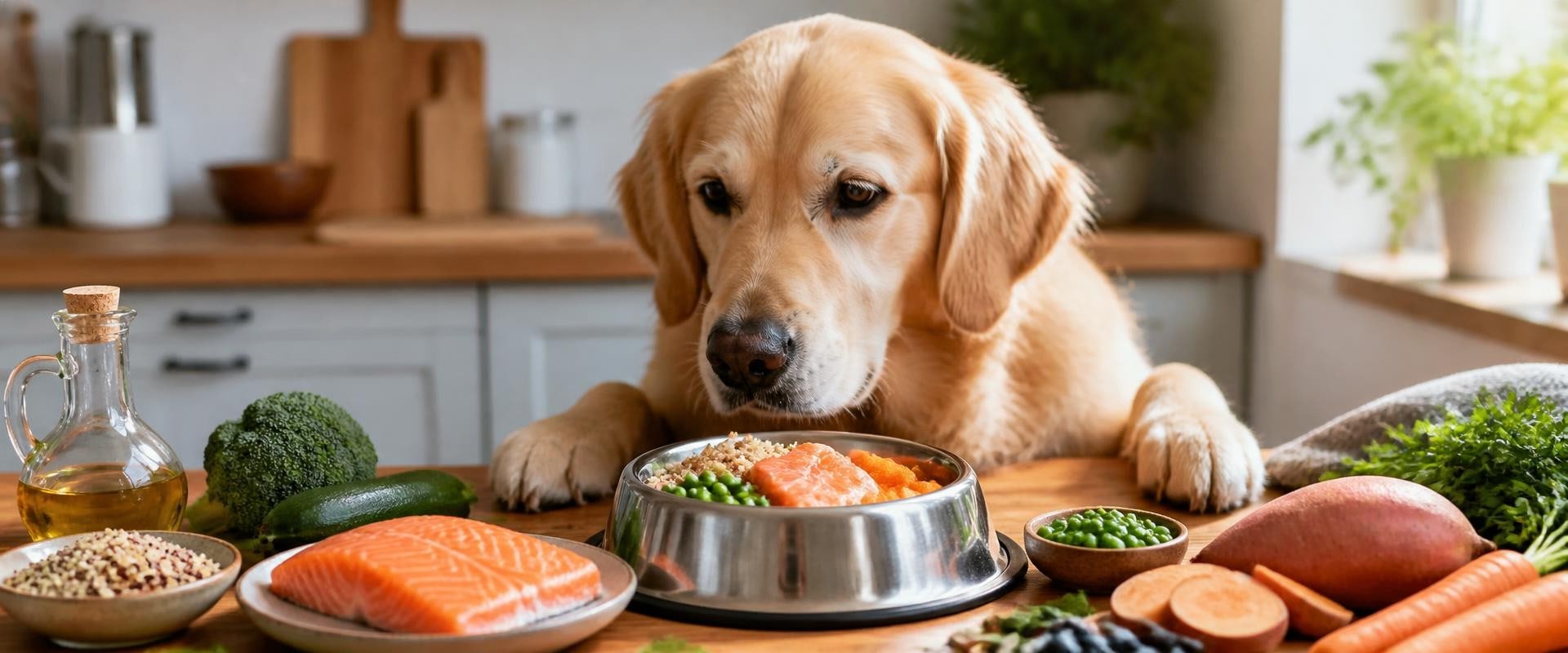
As pet owners, we all want the best for our furry companions, but what happens when their diets become a source of discomfort? Food allergies in pets can lead to a myriad of health issues, from digestive troubles to skin irritations. Understanding the best foods for allergic pets is essential to ensuring your beloved animal enjoys a happy and healthy life. In this article, we will explore nutritious options specifically designed for pets suffering from food allergies, offering insights into how to choose ingredients that promote well-being while avoiding common allergens. With the increasing awareness of food sensitivities among pets, many owners find themselves overwhelmed by the choices available on the market. It’s crucial to identify foods that not only cater to your pet's specific dietary restrictions but also provide the necessary nutrients for optimal health.
Whether your pet is allergic to certain proteins, grains, or even specific vegetables, finding the right diet can significantly improve their quality of life. This comprehensive guide will delve into various food options, including hypoallergenic diets and natural ingredients that can help alleviate symptoms related to food allergies. By equipping yourself with knowledge about nutritious options, you can make informed decisions that benefit your pet’s health and happiness. Join us as we navigate through the world of special dietary needs for pets and uncover the best practices for managing food allergies effectively. Your pet deserves a diet that not only satisfies their taste buds but also keeps them free from discomfort. Food allergies in pets are an increasingly common issue that many pet owners face. Understanding the common types of food allergies in pets is crucial for providing proper care.
Dogs and cats can develop allergies to a variety of ingredients, with some of the most frequent culprits being beef, dairy, chicken, egg, lamb, soy, wheat, and fish. Symptoms may vary but often include gastrointestinal upset, skin irritations, itching, and ear infections. Diagnosing food allergies typically involves a thorough evaluation by a veterinarian, who may recommend an elimination diet to identify specific allergens. The process of identifying allergens through an elimination diet is essential. This involves removing all potential allergens from your pet's diet for a set period, usually around 8 to 12 weeks.
During this time, you must observe any changes in your pet's symptoms. After the elimination phase, foods are gradually reintroduced one at a time to pinpoint the exact allergen causing the issue. It is vital to consult a veterinarian throughout this process to ensure that your pet's nutritional needs are met while managing their allergies. For those looking to create safe and nutritious meals for their pets with food allergies, simple homemade recipes can be an excellent option. Here’s a recipe for dogs: start with lean protein such as lamb or fish.
Cook 1 cup of finely chopped vegetables like carrots and peas, and combine them with 2 cups of cooked quinoa or sweet potatoes for carbohydrates. Mix these ingredients thoroughly and ensure they are cooked without any added spices or sauces that may contain allergens. For cats, a simple recipe might consist of finely shredded cooked turkey or rabbit mixed with pureed pumpkin or zucchini. Cats require a higher protein content, so ensure that the majority of their meal consists of meat, and include a small portion of vegetables for fiber. Always ensure that any new ingredients are introduced slowly to monitor for any adverse reactions. When substituting common allergens, consider using alternative protein sources such as duck, rabbit, or venison.
For carbohydrates, options like sweet potatoes, quinoa, or even pumpkin can provide healthy alternatives without triggering allergies. It’s important to maintain a balanced diet that includes essential nutrients such as proteins, fats, vitamins, and minerals while preparing these meals. Nutrients play a significant role in your pet's health. Proteins are necessary for muscle development and repair; fats provide energy and support healthy skin; vitamins and minerals contribute to overall wellness. When preparing homemade meals, consider incorporating fish oil or flaxseed oil for omega-3 fatty acids, which can help with inflammation associated with allergies. Many pet owners have successfully managed their pets' allergies through dietary changes.
For instance, one owner reported that after switching their dog to a home-cooked diet featuring lamb and sweet potatoes, their pet’s chronic skin issues improved significantly within weeks. Another testimonial highlights how a cat suffering from gastrointestinal issues found relief after being transitioned to a simple diet of turkey and pumpkin. Despite some misconceptions regarding home-cooked diets versus commercial options, many pet owners find that tailoring meals specifically to their pets’ needs results in better health outcomes. Concerns about nutritional balance can be addressed by consulting with veterinarians or pet nutritionists who can help formulate appropriate recipes. Homemade diets allow for complete control over ingredients, ensuring that pets receive wholesome and safe nutrition tailored to their specific health requirements. In conclusion, addressing food allergies in pets through home-cooked meals can offer safe and nutritious alternatives to commercial pet food.
By understanding the types of allergies, recognizing symptoms, and working closely with a veterinarian, pet owners can create effective dietary strategies that improve their pets' overall health and well-being.
Nutritional Tips for Allergic Pets
When it comes to preparing meals for pets with food allergies, balanced nutrition is paramount. It is essential to ensure that homemade meals meet the specific dietary needs of your pet while avoiding allergens. Begin by consulting with a veterinarian or a pet nutritionist to determine the appropriate nutritional balance required for your pet based on their size, age, and health condition. One of the primary considerations is protein sources. Opt for novel protein sources that your pet has not been exposed to before, such as duck, rabbit, or fish.These proteins are less likely to trigger allergic reactions. Additionally, incorporate high-quality carbohydrates like sweet potatoes or brown rice, which provide energy and essential nutrients without compromising safety. Fruits and vegetables should also be included in your pet's diet. Choose non-allergenic options like carrots, green beans, and blueberries. These not only offer vital vitamins and minerals but also contribute dietary fiber, promoting healthy digestion. It’s important to supplement homemade meals with essential fatty acids, such as omega-3 and omega-6, which can help maintain a healthy coat and skin.
Fish oil or flaxseed oil are excellent choices, but always check for any potential allergens before adding them. Lastly, when creating homemade meals, ensure that you are following a recipe that has been formulated to meet the AAFCO (Association of American Feed Control Officials) standards for complete and balanced nutrition. This ensures that your pet is receiving all necessary nutrients while avoiding common allergens.
Delicious Recipes for Dogs
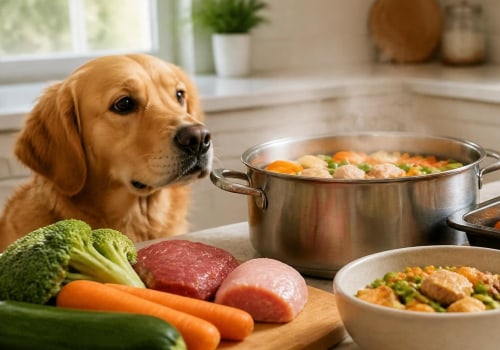
Creating delicious recipes for dogs with food allergies can be both fun and rewarding. By using fresh, natural ingredients, you can ensure that your furry friend receives a nutritious meal tailored to their specific needs. Here are some easy-to-follow recipes that cater to dogs with common allergies.1.Chicken and Sweet Potato Stew
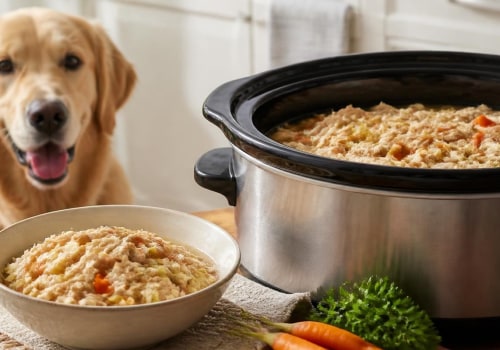
This hearty stew is perfect for dogs allergic to common grains.Simply combine diced chicken breast, cubed sweet potatoes, carrots, and green beans in a pot. Add water or low-sodium chicken broth and simmer until the chicken is cooked through and the vegetables are tender. Allow it to cool before serving.
2.Beef and Pumpkin Mash
For a tasty meal, brown ground beef in a skillet and drain the fat. Mix in canned pumpkin (not the spiced pie filling) and cook until heated through.Serve it warm as a nutritious, allergy-friendly dish rich in fiber.
3.Turkey and Quinoa Bowl
This protein-packed bowl is great for dogs with poultry allergies. Use cooked turkey or ground turkey along with cooked quinoa, peas, and carrots. Mix all the ingredients together and serve as a complete meal.4.Fish and Veggie Delight
For dogs that enjoy seafood, use boneless fish fillets like salmon or whitefish. Bake the fish until flaky, then mix it with steamed broccoli and carrots.This recipe is rich in omega-3 fatty acids and provides a delicious alternative to traditional dog food. Each of these recipes can be adjusted based on your dog's preferences and dietary restrictions. Always consult your veterinarian before introducing new foods to ensure they are safe for your pet.
Tasty Meals for Cats
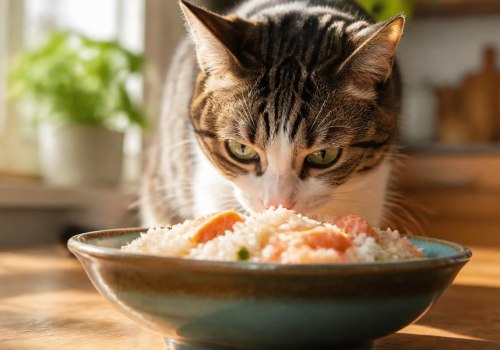
For pet owners whose cats suffer from food sensitivities, creating nutritious recipes at home can be a rewarding solution. Home-cooked meals allow you to control the ingredients and ensure your feline friend is consuming only what is safe and healthy for them. Here are a few nutritious recipes that cater to cats with food allergies:1.Chicken and Pumpkin Stew: Start by boiling skinless, boneless chicken breasts in water until fully cooked.Remove the chicken and shred it into bite-sized pieces. In the same pot, add chopped carrots and canned pumpkin (not the spiced pie filling). Simmer until the vegetables are tender, then mix in the shredded chicken. This stew is rich in protein and fiber, making it gentle on sensitive stomachs.
2.Fish and Sweet Potato Mash
: Use fresh or canned fish (like salmon or tuna) in water, draining any excess liquid.Cook sweet potatoes by boiling or baking until soft, then mash them. Combine the fish with the sweet potato mash for a meal that's not only delicious but also packed with omega-3 fatty acids.
3.Turkey and Quinoa Bowl
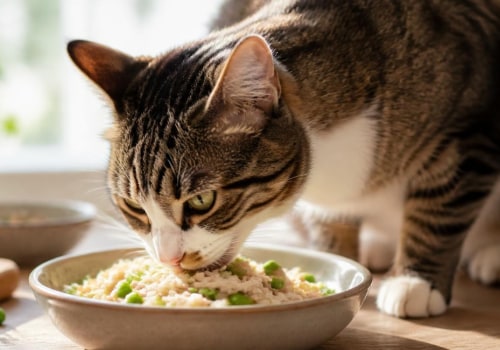
: Ground turkey is a great alternative protein source. Sauté ground turkey in a pan until browned, then mix in cooked quinoa and finely chopped spinach. Quinoa is a gluten-free grain that provides essential amino acids.This dish is well-balanced and suitable for cats with poultry sensitivities. When preparing meals for your cat, always consult with your veterinarian to ensure that the ingredients are appropriate for your pet's specific dietary needs. Additionally, introducing new foods gradually can help prevent any adverse reactions.
Identifying Food Allergies in Pets
Recognizing food allergies in pets is crucial for their health and well-being.Food allergies
can manifest in various ways, and pet owners should be vigilant in observing their furry friends for any unusual symptoms. Common signs of food allergies include itching, skin irritations, gastrointestinal issues, and changes in behavior.If your pet frequently scratches, licks, or develops rashes, it may be time to consider the possibility of an allergy. In addition to skin problems, pets with food allergies may experience digestive disturbances such as vomiting or diarrhea shortly after eating. These symptoms can indicate that their body is reacting negatively to certain ingredients in their diet. It's important for pet owners to keep a detailed record of their pet's diet and any symptoms that arise, as this information can be invaluable during consultations with a veterinarian. A consultation with a vet is essential for accurately diagnosing food allergies. Vets may recommend a process known as an elimination diet, where specific ingredients are removed from the pet's diet for a period of time to identify the allergen.
This method can help pinpoint which foods are causing adverse reactions and guide pet owners in selecting appropriate substitutes. Understanding the signs of food allergies and seeking veterinary guidance can significantly improve your pet's quality of life. By identifying and eliminating allergens, you can provide your pet with a safe and nutritious diet tailored to their unique needs.
Natural Ingredients to Include
When preparing homemade meals for pets with food allergies, it is crucial to select natural ingredients that are safe and beneficial for their health. Here are some excellent options:Lean Proteins: Ingredients such as chicken, turkey, and fish are great sources of protein and are less likely to trigger allergic reactions. They help maintain strong muscles and support overall health.Sweet Potatoes:
A fantastic source of carbohydrates, sweet potatoes are rich in vitamins A and C, as well as dietary fiber.They are gentle on the stomach and can help with digestive health.
Carrots:
These crunchy veggies are packed with beta-carotene, which promotes good vision and supports the immune system. Carrots are also low in calories, making them a healthy snack option.Brown Rice:
This whole grain is a good source of energy and provides essential nutrients like B vitamins. Brown rice is often well-tolerated by pets with food sensitivities.Pumpkin:
Plain canned pumpkin (not the spiced pie filling) is excellent for digestive health due to its high fiber content. It can help regulate bowel movements and provide essential nutrients.Green Beans:
A low-calorie vegetable that is high in fiber, green beans can be a great addition to your pet's diet.They provide important vitamins and minerals while being safe for pets with allergies.
Blueberries:
These small fruits are rich in antioxidants, which can help fight inflammation and support overall health. Blueberries can be offered fresh or mixed into homemade meals.Oatmeal:
A good source of soluble fiber, oatmeal can help soothe the digestive tract and provide energy. It's also gluten-free, making it a safe option for many pets with allergies. Incorporating these natural ingredients into your pet's homemade meals can not only ensure they receive the nutrition they need but also help manage their food allergies effectively. Always consult with a veterinarian before making significant changes to your pet's diet to ensure their specific health needs are met. In conclusion, addressing food allergies in pets is essential for their overall health and well-being.As discussed, preparing natural meals for pets with food allergies not only helps in identifying and managing their specific dietary needs but also ensures they receive the nutritious options they deserve. The delicious recipes provided in this article serve as a fantastic starting point for pet owners looking to offer their furry friends a safe and tasty diet. We encourage you to experiment with these recipes, keeping in mind the unique requirements of your pet, and always consult your veterinarian for personalized advice.