- Special Dietary Needs for Pets
- Food Allergies in Pets
- Identifying Allergies in Dogs and Cats
Understanding Allergies in Dogs and Cats
Learn how to identify allergies in dogs and cats, discover natural pet food recipes, and ensure your furry friends have a healthy diet tailored to their needs.

As loving pet owners, we often go above and beyond to ensure our furry companions are happy and healthy. However, just like humans, dogs and cats can suffer from a variety of health issues, one of the most common being allergies. These allergies can manifest in numerous ways, from skin irritations and itching to digestive problems and respiratory issues. Understanding how to identify these allergies is crucial for providing the right care and ensuring your pet lives a comfortable life. In this article, we will delve into the complex world of identifying allergies in dogs and cats.
We will explore the different types of allergies that can affect our pets, the symptoms to watch for, and how dietary changes may play a pivotal role in alleviating their discomfort. Recognizing the signs early on can make all the difference in managing your pet's health effectively. Join us as we unravel the intricacies of pet allergies, empowering you with the knowledge needed to detect potential allergens and improve your pet's quality of life. Understanding these conditions is not just beneficial for your pet; it also strengthens the bond between you and your furry friend, ensuring that they receive the best care possible. Allergies in pets, particularly in dogs and cats, have become increasingly prevalent, and pet owners should be aware of the potential impact these allergies can have on their furry companions. Understanding allergies is crucial for maintaining the health and well-being of pets.
Studies show that approximately 10% of dogs and 15% of cats suffer from some form of allergy, making it an issue that cannot be overlooked. The consequences of undiagnosed or untreated allergies can lead to chronic discomfort, health problems, and a significant decline in quality of life. There are several types of allergies that are common among dogs and cats. The most prevalent are food allergies, which occur when a pet's immune system mistakenly identifies certain ingredients as harmful. This can lead to various symptoms that pet owners should be vigilant about.
Other common types include environmental allergies, which can stem from pollen, dust mites, or mold, and flea allergies, where a pet becomes sensitive to flea saliva. Each type can manifest in different ways, making it essential for owners to recognize the signs. Pet owners should look out for symptoms such as skin irritations, which can present as redness, itching, or rashes. Gastrointestinal issues like vomiting or diarrhea are also common indicators of food allergies. Additionally, behavioral changes such as increased scratching or licking may signal discomfort due to allergies.
Recognizing these symptoms early on can lead to quicker interventions and better outcomes for pets. When it comes to food allergies, certain ingredients found in commercial pet foods are frequent offenders. Common allergens include chicken, beef, dairy products, wheat, soy, and corn. Many commercial pet foods contain these ingredients as staples, which makes it difficult for pets with allergies to find suitable options. As awareness increases around food sensitivities, many pet owners are turning to natural pet food recipes to help avoid allergens. Transitioning to homemade meals can significantly benefit pets with identified allergies. , certain ingredients found in commercial pet foods are frequent offenders. Common allergens include chicken, beef, dairy products, wheat, soy, and corn. Many commercial pet foods contain these ingredients as staples, which makes it difficult for pets with allergies to find suitable options. As awareness increases around food sensitivities, many pet owners are turning to natural pet food recipes to help avoid allergens. Transitioning to homemade meals can significantly benefit pets with identified allergies.
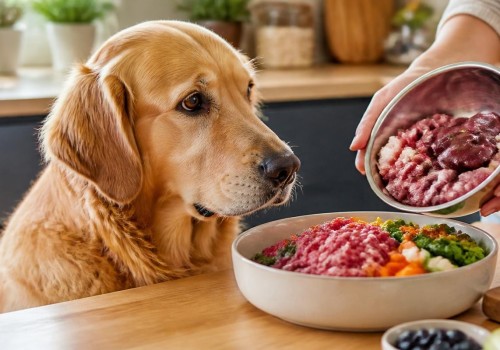
Homemade diets allow pet owners to control the ingredients that go into their pets' food, ensuring that potential allergens are eliminated. This shift from commercial options to homemade meals not only helps avoid allergens but often results in fresher, more nutritious meals for pets. For those considering homemade meals for their dogs or cats with allergies, there are several safe recipes that cater specifically to their dietary needs. For example, a simple recipe for dogs could include boiled chicken (if chicken is not an allergen), sweet potatoes, and green beans. This combination provides lean protein along with carbohydrates and vitamins.
For cats, a recipe might consist of cooked fish (like salmon), pumpkin puree, and peas—offering a balanced meal full of omega-3 fatty acids and fiber. When introducing new foods to pets, it's essential to do so gradually. Start by mixing small amounts of the new food with their current diet over several days. Monitor their reactions closely; if there are any adverse effects such as vomiting or increased itching, it may indicate that the new ingredient is an allergen. It's important to be patient during this process as it may take time for pets to adjust. A common concern among pet owners regarding homemade diets is ensuring nutritional balance.
To provide essential nutrients while avoiding allergens, consider consulting with a veterinarian or a pet nutritionist. They can help design a balanced diet tailored to the specific needs of the pet while ensuring they receive all necessary vitamins and minerals. In conclusion, understanding allergies in dogs and cats is vital for any responsible pet owner. By recognizing the types of allergies and their symptoms, exploring homemade food options, and monitoring nutritional balance, pet owners can significantly improve the health and happiness of their beloved companions.
Recognizing Allergies in Your Pet
Allergies in pets, particularly in dogs and cats, can manifest through a variety of signs and symptoms that are important for pet owners to recognize. One of the most common indicators is itching, which can lead to excessive scratching, biting, or licking of the skin.This behavior may result in redness, inflammation, or even secondary infections due to the disruption of the skin's natural barrier. Another significant symptom is related to digestive issues. Pets may experience vomiting, diarrhea, or other gastrointestinal disturbances when they consume food that triggers an allergic reaction. These digestive problems can greatly affect their overall health and quality of life. Additionally, ear infections are often a sign of allergies in both dogs and cats. Frequent shaking of the head, scratching at the ears, or a foul odor emanating from the ears can indicate that your pet is suffering from an allergic reaction that has led to an infection. Being vigilant about these signs can help pet owners identify allergies early on, allowing for timely intervention and management of their pet's health.
Common Allergens in Pet Food
When it comes to identifying allergies in dogs and cats, understanding the common allergens present in commercial pet foods is crucial.Many pets suffer from food allergies, which can lead to a range of health issues, including skin irritations, gastrointestinal problems, and even behavioral changes. Recognizing these allergens can help pet owners make informed decisions about their pets' diets. One of the most prevalent allergens found in pet food is beef. Many dogs and cats are sensitive to proteins derived from beef, which can trigger allergic reactions manifesting as itching or digestive upset. Another common allergen is dairy; while some pets may enjoy dairy products, many are lactose intolerant and can experience adverse reactions. Additionally, chicken is often a significant allergen, particularly for dogs.
Pet food that contains chicken meal or by-products may provoke allergic responses in sensitive pets. Furthermore, grains such as wheat, soy, and corn are also known to cause allergies in some dogs and cats. These ingredients are commonly used as fillers in many commercial pet foods, making it essential for pet owners to read labels carefully. Other potential allergens include fish and eggs. While these proteins can be beneficial for some pets, they can also trigger allergic reactions in others.
It’s vital for pet owners to observe their pets closely when introducing new foods or treats that contain these ingredients. By being aware of these common allergens in pet food, owners can take proactive steps to manage their pets' health, ensuring that they provide a diet that minimizes the risk of allergic reactions.
Tips for Transitioning to Homemade Meals
Transitioning your pet to a homemade diet can be a significant change, especially if they have food allergies. It is crucial to approach this process with care to ensure your dog or cat remains healthy during the transition.Start Gradually
: Begin by mixing a small amount of the homemade food with their current commercial food. This gradual introduction helps your pet's digestive system adjust to the new ingredients. Over a week or two, slowly increase the proportion of homemade food while decreasing the commercial food.Monitor Your Pet
: Keep an eye on your pet's reaction to the new diet.Look for any signs of allergies or digestive issues, such as vomiting, diarrhea, or changes in behavior. If you notice any adverse reactions, consult your veterinarian.
Use Balanced Recipes
: Ensure that the homemade meals are well-balanced and meet all of your pet's nutritional needs. Consult with a veterinary nutritionist to create recipes that include all essential vitamins and minerals.Introduce New Ingredients One at a Time
: When adding new ingredients to your pet's diet, introduce them one at a time. This practice allows you to identify any specific allergens or intolerances more easily.Stay Consistent
: Once your pet has adjusted to the homemade diet, try to maintain consistency in their meals.Regular feeding times and a stable recipe will help your pet feel secure and reduce digestive disturbances.
Seek Veterinary Guidance
: Before making any significant changes to your pet's diet, it is always best to consult with your veterinarian. They can provide tailored advice based on your pet's individual health needs and allergies.Ensuring Nutritional Balance
Maintaining a balanced diet for pets with special dietary needs, such as food allergies, is crucial for their overall health and well-being. When preparing homemade meals, pet owners must ensure that they provide all essential nutrients while avoiding allergens that can trigger adverse reactions. One of the first steps in achieving nutritional balance is to consult with a veterinarian or a pet nutritionist. They can help outline the specific dietary requirements based on the pet's age, weight, and health conditions.Understanding the nutritional needs of dogs and cats is vital since their requirements differ significantly from those of humans. When creating homemade meals, it is important to include a variety of protein sources, carbohydrates, fats, vitamins, and minerals. For instance, lean meats like chicken or turkey can serve as excellent protein sources. However, it is essential to ensure that these proteins do not contain any allergens that could harm the pet. In addition to proteins, incorporating wholesome carbohydrates such as sweet potatoes or brown rice can provide energy. Healthy fats are also necessary for skin and coat health; options like fish oil can be beneficial.
Furthermore, adding a range of fruits and vegetables can enrich the diet with vitamins and antioxidants while ensuring that they are safe for your pet. Pet owners should also consider using supplements if necessary. Many pets may not get all the required nutrients from homemade meals alone. Supplements containing omega fatty acids, probiotics, or specific vitamins can help fill these gaps. Lastly, keeping a food diary can be an effective strategy for monitoring what your pet eats and how they respond to different ingredients. This practice allows owners to identify any potential allergens and adjust their pets' diets accordingly while ensuring they maintain a nutritional balance.
Natural Pet Food Recipes to Consider
When it comes to identifying allergies in dogs and cats, one of the most effective ways to manage these conditions is through diet.Providing homemade meals can help ensure that your pets receive the right nutrients without the allergens that may be causing their discomfort. Below are a few recipes tailored for pets with food allergies, using safe and wholesome ingredients.
1.Chicken and Sweet Potato Stew
Ingredients:- 2 cups of diced chicken breast- 1 cup of sweet potatoes, peeled and cubed- 1 cup of green beans, chopped- 4 cups of low-sodium chicken brothInstructions:In a large pot, combine all ingredients and bring to a boil. Reduce heat and let simmer for about 30 minutes until sweet potatoes are tender. Allow to cool before serving.2.Fish and Pumpkin Mash
Ingredients:- 1 can of boneless salmon (in water)- 1 cup of canned pumpkin (not the spiced pie filling)- 1/2 cup of peasInstructions:Drain the salmon and mix it with pumpkin and peas in a bowl.Serve immediately or store in the refrigerator for up to three days.
3.Beef and Carrot Medley
Ingredients:- 1 pound of ground beef (lean)- 2 carrots, grated- 1/2 cup of quinoa (cooked)- 1 tablespoon of olive oilInstructions:In a skillet, heat olive oil over medium heat. Add ground beef and cook until browned. Mix in grated carrots and cooked quinoa, cooking until carrots are tender. Let cool before serving. These recipes not only cater to pets with food allergies but also ensure that they receive a balanced diet tailored to their needs.Always consult with your veterinarian before introducing new foods to your pet's diet, especially if they have known allergies. In conclusion, recognizing allergies in your pets is crucial for their overall health and well-being. By understanding the common allergens and symptoms associated with food allergies, pet owners can take proactive steps to alleviate their furry friends' discomfort and improve their quality of life. We encourage you to take action by trying out the natural pet food recipes provided in this article. Transitioning to a homemade diet can be a rewarding experience for both you and your pet, ensuring they receive the nutrition they need without the additives and allergens found in many commercial foods. Additionally, consulting with a veterinarian for personalized dietary advice is an important step in addressing your pet's specific needs. Your vet can help you navigate any dietary changes and ensure that your pet's new diet is nutritionally balanced. Ultimately, adopting a natural diet not only helps manage allergies but also promotes better overall health in pets, leading to happier, more vibrant lives.
Your commitment to understanding and addressing your pet's dietary needs can make a significant difference.