- Cooking for Pets
- Cooking Techniques
- Boiling vs. Baking for Pet Food
Boiling vs. Baking: Choosing the Best Method for Homemade Pet Food
Explore the benefits of boiling and baking pet food, discover healthy recipes, and learn about safe ingredients for your furry friends.
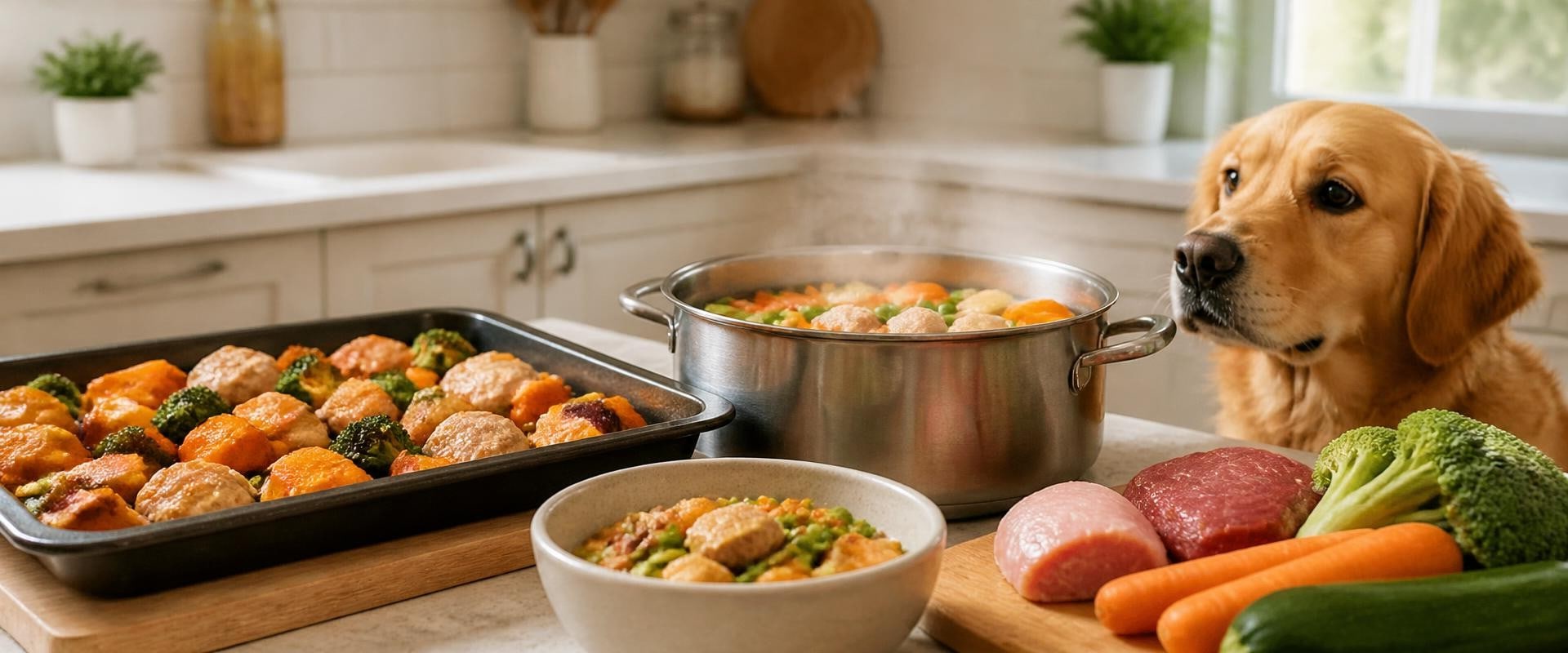
As pet owners, we strive to provide the best nutrition for our furry companions. However, with so many cooking methods available, it can be challenging to determine which one is truly beneficial for our pets. In the quest for healthier homemade pet food, As pet owners, we strive to provide the best nutrition for our furry companions. However, with so many cooking methods available, it can be challenging to determine which one is truly beneficial for our pets. In the quest for healthier homemade pet food, boiling and baking emerge as two popular techniques, each boasting its own advantages and drawbacks. In this article, we delve into the fundamental differences between these two cooking methods, exploring how they impact the nutritional quality of pet food and how they can cater to your pet's specific dietary needs. Imagine serving your beloved dog or cat a meal crafted from scratch, knowing exactly what goes into their food and how it’s prepared.
The decision between boiling and baking can significantly influence the texture, flavor, and digestibility of the final product. Are you curious about which method preserves more nutrients? Or perhaps you want to understand how each technique affects the taste and appeal of the food for your pet? By the end of this article, you’ll be equipped with the knowledge to make an informed decision that not only satisfies your pet's palate but also supports their health. Join us as we explore boiling vs. baking, dissecting each method's pros and cons while offering practical tips on how to implement these techniques in your kitchen. Your pet deserves the best, and together we can ensure that every meal is not just a feast but also a step towards a healthier life. The trend of making homemade pet food has gained significant traction among pet owners who are increasingly seeking healthier alternatives to commercial options.
This growing movement emphasizes the use of natural ingredients, allowing pet owners to have greater control over what their pets consume. However, one of the critical aspects to consider in this journey is how different cooking methods affect the nutritional value of the food prepared. In particular, the debate between boiling and baking as techniques for preparing pet food has become a point of discussion among enthusiasts and experts alike. When it comes to boiling, this method involves cooking food in water or broth at high temperatures. One of the key advantages of boiling is that it typically requires less time compared to baking.
For instance, a simple recipe for dogs could include boiled chicken and rice, where chicken breasts are boiled until thoroughly cooked and then combined with brown rice for a nutritious meal. The boiling process can help retain moisture, making the food more palatable and easier for some pets to consume. However, it’s important to note that boiling can lead to some nutrient loss, particularly water-soluble vitamins such as Vitamin B and C, which may leach into the cooking water. On the other hand, baking involves cooking food using dry heat in an oven. This method often requires a longer cooking time but can enhance flavors and textures in ways that boiling cannot.
For example, a recipe for baked salmon treats for cats may include fresh salmon mixed with oats and egg, shaped into small bites, and baked until golden. Baking tends to concentrate flavors and can create appealing textures that many pets enjoy. Additionally, this method may preserve certain nutrients better than boiling, especially fat-soluble vitamins like A, D, E, and K, which remain intact during the cooking process. When comparing these two cooking methods, it is also essential to consider ease of preparation. Boiling is generally more straightforward and quicker; most owners can prepare a meal in under 30 minutes.
In contrast, baking usually requires a preheated oven and more time for preparation and cooking—often taking an hour or more from start to finish. However, some pet owners might find the hands-off approach of baking preferable since they can prepare larger batches that can be stored for later use. Another critical factor is how each method affects the flavors and overall palatability of the food. Boiled foods often have a milder taste due to the cooking process, which might not appeal to all pets. Conversely, baked foods can develop a richer flavor profile due to caramelization and browning effects during baking, making them more enticing for pets who may be picky eaters. Health benefits associated with homemade meals cannot be overlooked.
Many pet owners opt for homemade diets as a way to manage their pets' allergies or dietary restrictions effectively. For example, by controlling the ingredients used in cooking, owners can eliminate allergens or unsuitable components found in commercial pet foods. This control allows for tailored meals that specifically address individual health needs. Despite these advantages, there are common misconceptions about cooking for pets that should be addressed. One prevalent myth is that all human foods are safe for pets; however, certain ingredients like garlic, onions, grapes, and chocolate can be harmful or even toxic to animals.
Therefore, it is crucial for pet owners to educate themselves about what ingredients are safe before embarking on homemade diets. Ultimately, when choosing between boiling and baking for pet food preparation, pet owners should consider their pets' unique dietary needs and preferences. Both methods have their merits and can contribute positively to a pet's diet when done correctly. Whether opting for a wholesome boiled meal or a delicious baked treat, homemade pet food allows owners to provide their furry companions with nutritious meals made from love.
The Benefits of Boiling Pet Food
Boiling pet food is a popular cooking method among pet owners who want to ensure that their furry friends receive the best nutrition possible.One of the primary advantages of boiling is its ability to preserve moisture in the ingredients, which can lead to a more palatable and hydrating meal for pets. Moisture retention is crucial, especially for animals that may struggle with hydration, as it can help keep them healthy and energetic. Another significant benefit of boiling is that it makes ingredients easier to digest. When food is boiled, the heat breaks down tough fibers and proteins, allowing for easier absorption of nutrients in your pet's digestive system. This can be particularly helpful for pets with sensitive stomachs or those recovering from illness. For example, a simple boiled chicken recipe can be both nutritious and appealing.
To prepare this dish, boil skinless, boneless chicken breasts in water until fully cooked. You can then shred the chicken and mix it with boiled carrots and rice for a balanced meal. Another recipe could involve boiling sweet potatoes along with green beans and lean ground turkey, providing a wholesome dish packed with essential vitamins and minerals. In summary, boiling pet food not only enhances moisture content but also aids in digestion, making it an excellent choice for creating homemade meals that are both healthy and enjoyable for your pets.
Pet-Specific Dietary Needs
When preparing homemade pet food, it is essential to consider the pet-specific dietary needs that arise from various health issues. Many pets suffer from conditions such as allergies, obesity, or diabetes, which require tailored diets to ensure their overall well-being.Understanding these needs can significantly influence the choice between boiling and baking.For pets with food allergies, boiling might be a preferred method as it allows for the use of fresh, natural ingredients without the risk of cross-contamination that can occur in baked goods. Boiling helps to preserve the integrity of these ingredients while making them easier to digest. Additionally, this method allows pet owners to create simple broths or soups that can be beneficial for pets recovering from illness. On the other hand, pets that require weight management due to obesity may benefit from baked foods. Baking often requires less fat than boiling and can be an excellent way to prepare low-calorie treats.
Using whole grains and lean proteins in baked recipes can help create satisfying meals that are lower in calories while still being nutritious. For pets with diabetes, both boiling and baking can be effective, but the key lies in ingredient choice. Boiling allows for more control over moisture content, which can be beneficial for maintaining balanced blood sugar levels. Conversely, baking can provide a crunchy texture that some pets enjoy, but it's crucial to avoid high-carb ingredients that can spike insulin levels. In summary, both boiling and baking have their advantages when catering to specific dietary needs. By understanding individual health concerns and choosing the appropriate cooking method, pet owners can create meals that promote health and happiness in their furry companions.
The Advantages of Baking Pet Food
Baking pet food offers several advantages that can enhance the overall quality and appeal of homemade meals for our furry companions.One of the primary benefits of baking is its ability to enhance flavors. When ingredients are baked, they undergo a Maillard reaction, which develops rich, savory flavors that can make pet food more appetizing. For instance, adding whole grains like oats or brown rice to a baked recipe can create a delicious aroma that pets find irresistible. Additionally, baking allows for the creation of varied textures. The process can produce crunchy treats or soft, chewy meals, catering to different preferences among pets.
For example, baking sweet potato and chicken bites results in a crispy exterior while keeping the inside moist and tender. This contrast in textures not only makes the food more enjoyable but also encourages pets to engage with their meals. There are numerous baked recipes that have become favorites among pet owners. One popular option is baked pumpkin dog treats, which combine pureed pumpkin, oats, and peanut butter. These treats are not only tasty but also packed with vitamins that support pet health.
Another example is homemade baked chicken and vegetable biscuits, where cooked chicken is mixed with carrots and peas, then baked until golden. These nutritious snacks provide essential proteins and fibers, making them perfect for rewarding pets without compromising their health. In summary, baking pet food not only enhances flavors and textures but also allows pet owners to experiment with various ingredients while ensuring their pets receive wholesome, homemade meals.
Nutritional Considerations
When preparing homemade pet food, understanding the key nutrients necessary for your pet's health is essential. Pets require a balanced diet that includes proteins, fats, carbohydrates, vitamins, and minerals. Each nutrient plays a vital role in maintaining their overall well-being and supporting various bodily functions.Proteins
are crucial for building and repairing tissues, making enzymes and hormones, and supporting a healthy immune system.Common protein sources include chicken, beef, fish, and eggs. Cooking methods can affect protein quality; for instance, boiling may cause some loss of amino acids if the water is discarded, while baking can retain more of these essential components.
Fats
are another important nutrient, providing energy and aiding in the absorption of fat-soluble vitamins (A, D, E, K). Healthy fat sources such as fish oil or flaxseed oil should be included in your pet's diet. Both boiling and baking can affect fat content; however, baking often allows for better retention of healthy fats compared to boiling.Carbohydrates
serve as a significant energy source for pets.Ingredients like sweet potatoes, brown rice, and oats are excellent choices. Boiling these ingredients can lead to nutrient loss; however, it also makes them more digestible. Baking retains more structure in carbohydrates but may not break them down as effectively. Vitamins and minerals are vital for a pet's immune function and bone health. Cooking methods can impact the bioavailability of these nutrients.
For example, water-soluble vitamins (like B vitamins and vitamin C) may leach into boiling water but remain intact when baked. Thus, careful ingredient selection and cooking methods should be considered to maximize nutrient retention. When creating recipes for homemade pet food, prioritize safe ingredients such as lean meats, vegetables like carrots and peas, and whole grains. Always avoid toxic foods such as onions, garlic, chocolate, grapes, and raisins to ensure your pet's safety. In summary, both boiling and baking have their merits when it comes to preparing nutritious meals for pets. Understanding how these cooking methods affect nutrient content will help you make informed choices about your homemade pet food recipes. In conclusion, the debate between boiling and baking for pet food preparation highlights the unique benefits of each method.
Both techniques can effectively preserve nutritional value and cater to the specific dietary needs of pets.