- Cooking for Pets
- Cooking Techniques
- Using a Slow Cooker for Pet Meals
Nourishing Your Pets with a Slow Cooker: Homemade Meals Made Easy
Explore nutritious slow cooker recipes for dogs and cats, tips on pet nutrition, and safe ingredients for homemade pet meals.
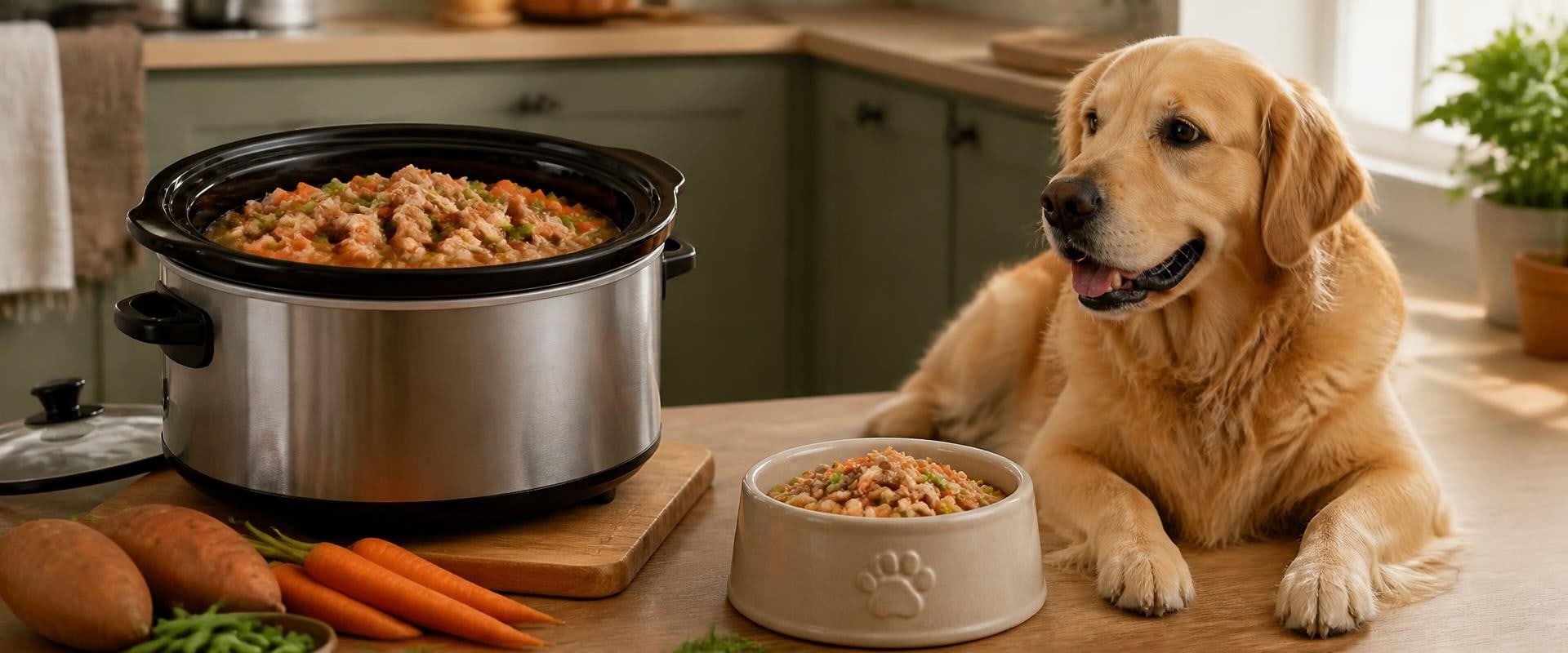
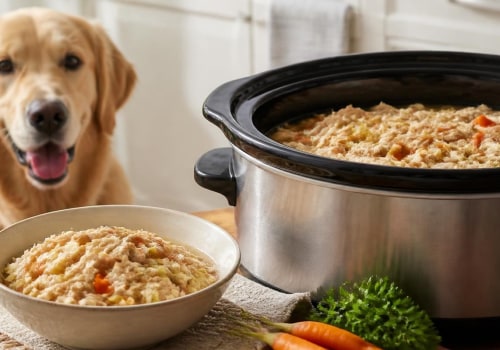
As a devoted pet owner, you want nothing but the best for your furry companions. Have you ever considered how the food you serve them can impact their health and happiness? Using a Slow Cooker for Pet Meals is not just a cooking technique; it's a way to enhance your pet's diet with wholesome, homemade ingredients that can make mealtime an exciting experience. In our busy lives, finding the time to prepare nutritious meals for our pets can be challenging, but with a slow cooker, you can effortlessly whip up delicious dishes that cater to their unique dietary needs. Imagine coming home after a long day to the savory aroma of freshly cooked pet meals, knowing that you’ve provided your beloved animal with nourishing ingredients tailored just for them. A slow cooker allows you to create tasty stews, hearty meats, and even veggie-packed mixes that your pets will love—all while saving you time and effort in the kitchen.
Whether your pet is a picky eater or has specific dietary restrictions, this cooking method opens up a world of culinary possibilities. In this article, we will explore the many benefits of using a slow cooker for your pet's meals, share some easy-to-follow recipes, and discuss tips for ensuring that your homemade meals are both safe and nutritious. By choosing to prepare your pet's food at home, you are taking an active role in their health and well-being. So let’s dive into the wonderful world of slow cooking and discover how it can transform your pet's dining experience!The trend of pet owners seeking healthier, natural food options for their furry companions has surged in recent years. As we become more aware of the ingredients in our own diets, it's only natural that we extend this mindfulness to our pets.
Using a Slow Cooker for Pet Meals provides an excellent opportunity to create nutritious, homemade dishes that cater to the specific needs of our animals. The benefits of slow cooking are numerous: it offers convenience, allows for complete control over ingredients, and empowers pet owners to craft tailored meals that meet the unique dietary requirements of their beloved pets. Understanding the nutritional needs of pets is crucial when embarking on this culinary journey. Dogs and cats require a balanced diet that includes proteins, carbohydrates, fats, vitamins, and minerals. Homemade meals can effectively meet these needs by incorporating a variety of fresh, natural ingredients.
For instance, lean meats like chicken or turkey can serve as excellent protein sources, while vegetables such as carrots and sweet potatoes provide essential vitamins and fiber. Grains like oats can also be included to add healthy carbohydrates. Here are some simple yet nutritious recipes for both dogs and cats that you can prepare using a slow cooker. For dogs, consider a recipe that combines chicken, brown rice, carrots, peas, and a dash of olive oil. Simply add all the ingredients into the slow cooker and let it cook on low for about 6-8 hours until everything is tender.
For cats, a delightful mixture could include ground turkey, sweet potatoes, and pumpkin. Cook this on low for 4-6 hours. Both recipes not only taste great but also provide essential nutrients that support your pet's overall health. When preparing meals for pets with specific dietary restrictions, modifications can easily be made to accommodate their needs. For example, if your dog is allergic to grains, you can replace brown rice with quinoa or omit it altogether in favor of additional vegetables.
Similarly, if your cat has sensitivities to certain proteins, you might substitute turkey with fish or rabbit. Always consult with your veterinarian before making significant changes to your pet's diet to ensure their health and safety. Cooking with a slow cooker is relatively straightforward, but there are specific techniques to keep in mind to ensure the best results. Cooking times typically range from 4-8 hours depending on the type of ingredients used and the desired texture of the meal. Generally, it's recommended to cook on low heat for a longer duration to allow flavors to meld and nutrients to be preserved.
Using the right temperature setting is crucial; cooking at high heat for too long may lead to a loss of essential nutrients. While preparing meals for your pets, it's important to be aware of which ingredients are safe and beneficial versus those that can be harmful. Common safe ingredients include chicken, carrots, sweet potatoes, oats, and green beans. However, certain foods should always be avoided; onions and garlic are toxic to both dogs and cats and can lead to serious health issues if ingested. Additionally, grapes and raisins should never be given to pets as they can cause kidney failure. Transitioning your pet from commercial food to homemade meals may raise some concerns among pet owners.
It's essential to introduce new foods gradually over a week or so. Start by mixing small amounts of homemade food with their regular diet and gradually increasing the proportion of homemade meals while decreasing commercial food. Monitor your pet’s reaction during this transition; if they show signs of digestive upset or aversion to the new food, consult your veterinarian. User anecdotes reveal how using a slow cooker for pet meals has positively impacted their pets' health and well-being. Many pet owners report increased energy levels in their dogs after switching to homemade diets and improved coat conditions in their cats.
One owner shared how her dog’s allergies have diminished significantly since she started preparing fresh meals using natural ingredients in her slow cooker. In conclusion, using a slow cooker for pet meals is not only convenient but also allows pet owners to provide wholesome nutrition tailored specifically for their furry friends. With careful planning and consideration of your pet’s dietary needs, you can create delicious homemade meals that enhance their overall health and happiness.
Transitioning to Homemade Pet Meals
Transitioning your pet to homemade meals can be a rewarding journey, but it’s essential to do so gradually. Start by mixing small portions of homemade food with their regular diet. This will help your pet adjust to the new flavors and textures without causing digestive upset. Observe your pet closely during this transition.Look for any signs of discomfort, such as vomiting, diarrhea, or changes in appetite. If any adverse reactions occur, it may be wise to slow down the transition process. Once your pet is comfortable with the mixture, gradually increase the proportion of homemade meals while decreasing their commercial food intake. This gradual approach allows your pet's digestive system to adapt better to the new diet. Additionally, it’s crucial to monitor your pet's overall health during this transition. Regular check-ups with your veterinarian can help ensure that your furry friend is receiving all the necessary nutrients they need for a balanced diet. Keep in mind that every pet is unique, so adjust the pace of this transition according to your pet’s individual needs.
With patience and care, you can successfully introduce homemade meals into your pet's diet, promoting better health and well-being.
Understanding Pet Nutrition
To create homemade meals for your pets using a slow cooker, it is essential to understand the fundamental building blocks of pet nutritionpet nutrition. Both dogs and cats require a balanced diet that includes essential nutrients to maintain their health and well-being.Proteins
are crucial for growth, maintenance, and overall health in pets. They are made up of amino acids, which are vital for building and repairing tissues. Dogs typically require a diet that is about 18-25% protein, while cats need a higher percentage, around 25-30%, due to their obligate carnivore status.Fats
serve as a significant energy source and play a role in the absorption of fat-soluble vitamins.Omega-3 and Omega-6 fatty acids are particularly beneficial for skin and coat health. Dogs require around 8-15% fat in their diet, whereas cats generally need 15-25% to support their energy levels.
Carbohydrates
, while not essential for dogs and cats, can be beneficial as they provide a source of energy and dietary fiber. Ingredients like brown rice or sweet potatoes can be excellent additions to your slow cooker pet meals, aiding digestion and providing energy.Vitamins
and minerals play vital roles in many bodily functions. For instance, Vitamin A is essential for vision and immune function, while B vitamins support metabolism.Minerals such as calcium and phosphorus are critical for bone health. It’s important to ensure that your homemade pet meals include a variety of fruits and vegetables to cover these micronutrient needs. By understanding these essential nutrients, you can better tailor your slow-cooked recipes to meet the specific dietary requirements of your furry companions.
Slow Cooker Safety Tips
When it comes to preparing pet meals in a slow cooker, ensuring safety is paramount. Here are essential guidelines to follow:1.Cleanliness is Crucial: Always start with a clean slow cooker. Before using, wash the pot and lid with hot, soapy water.Additionally, ensure that all utensils and surfaces that come into contact with the food are sanitized to prevent any contamination.
2.Safe Ingredient Handling:
Use fresh, high-quality ingredients. Avoid using any expired or spoiled items. When preparing meat, make sure it is thoroughly thawed if frozen, and wash your hands after handling raw meat to avoid cross-contamination.3.Cooking Temperatures:
Ensure that your slow cooker reaches a safe cooking temperature. For most meats, this means cooking them at least until they reach an internal temperature of 165°F (74°C).You may want to use a food thermometer for accuracy.
4.Avoid Toxic Ingredients:
Be aware of foods that are harmful to pets. Ingredients such as onions, garlic, chocolate, grapes, and raisins should never be included in your pet meals. Always double-check the safety of new ingredients before adding them to your recipes.5.Monitor Cooking Times:
While slow cookers are designed to cook food over long periods, it's essential to follow recipe guidelines closely. Overcooking can lead to nutrient loss and potentially create an unsafe meal for your pet.6.Store Leftovers Properly:
If you have any leftover pet meals, allow them to cool down before transferring them to airtight containers.Refrigerate them promptly and discard any meals that have been left out for more than two hours to prevent spoilage. By following these slow cooker safety tips, you can ensure that the meals you prepare for your furry friends are both nutritious and safe.
Tasty Meals for Cats
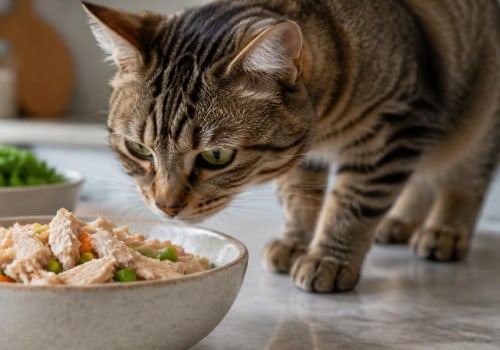
When it comes to using a slow cooker for pet meals, cats can benefit just as much as dogs. Homemade meals allow you to ensure that your feline friend is getting the best ingredients possible, free from fillers and artificial additives. Here are some cat-friendly slow cooker recipes that are both healthy and appealing.1.Chicken and Rice Delight
: This simple recipe combines tender chicken thighs, brown rice, and a mix of peas and carrots. Begin by placing 2 chicken thighs in the slow cooker along with 1 cup of rinsed brown rice, 2 cups of low-sodium chicken broth, and 1 cup of mixed vegetables.Cook on low for 6-8 hours until the chicken is cooked through. Shred the chicken, mix everything together, and serve your cat a nutritious meal.
2.Salmon and Sweet Potato Stew
: Rich in omega-3 fatty acids, this recipe is perfect for promoting a shiny coat. In your slow cooker, add 1 can of boneless salmon (with juices), 1 diced sweet potato, and 1 cup of green beans. Cover with water or low-sodium fish broth and cook on low for 4-6 hours.Once done, let it cool before serving.
3.Beef and Pumpkin Mash
: This hearty meal is great for cats who enjoy beef. Start with 1 pound of ground beef cooked in a skillet until browned. Then add it to the slow cooker along with 1 cup of canned pumpkin (not the spiced pie filling) and 1 cup of chopped carrots. Pour in enough water to cover the mixture and cook on low for 6 hours.Blend or mash to your desired consistency before serving. These recipes not only provide essential nutrients but also cater to your cat's palate. Always remember to introduce new foods gradually and consult your veterinarian if you have any concerns about your pet's diet.
Delicious Recipes for Dogs
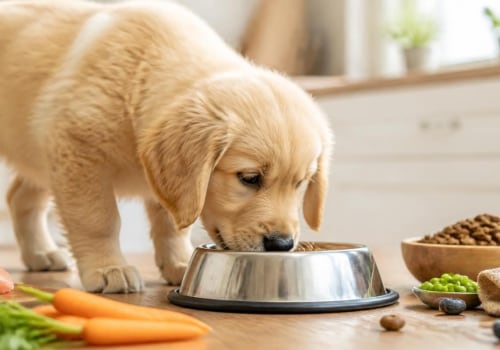
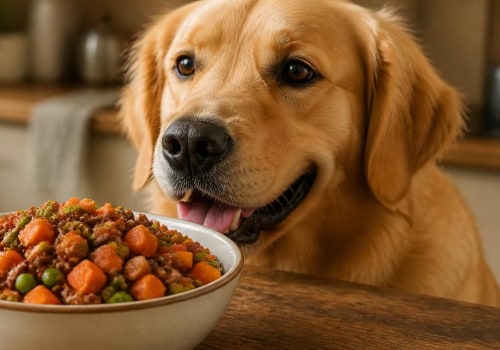
As pet owners increasingly seek healthier options for their furry friends, slow cookers have emerged as a fantastic solution. Not only do they offer convenience, but they also allow you to tailor homemade meals specifically for your dog's dietary needs. Here are some easy-to-follow slow cooker recipes designed with your canine companion in mind:1.Chicken and Rice DelightThis simple recipe combines lean chicken, brown rice, and vegetables for a nutritious meal.Start by placing 2 pounds of boneless, skinless chicken breasts in your slow cooker. Add 1 cup of brown rice, 3 cups of low-sodium chicken broth, and a mix of chopped carrots and peas. Cook on low for 6-8 hours until the chicken is tender. Shred the chicken and mix everything together before serving.
2.Beef and Sweet Potato Stew
Your dog will love this hearty stew! Begin with 1 pound of lean ground beef, browning it in a skillet before adding it to the slow cooker.Add 2 diced sweet potatoes, 1 cup of chopped green beans, and 4 cups of low-sodium beef broth. Cook on low for 6 hours. Let it cool before serving to your pup.
3.Turkey and Vegetable Medley
This recipe is perfect for dogs who enjoy a variety of flavors. Place 1 pound of ground turkey in the slow cooker along with 1 cup of chopped zucchini, 1 cup of carrots, and 1 cup of peas.Add 3 cups of low-sodium chicken broth and cook on low for about 5 hours. Once cooked, stir well and allow it to cool before serving.
4.Fish and Quinoa Bowl
If your dog loves fish, this recipe is a must-try! Use 1 pound of boneless fish fillets (like salmon or tilapia) in the slow cooker. Add 1 cup of quinoa, 2 cups of diced sweet potatoes, and 3 cups of low-sodium fish broth. Cook on low for about 4 hours.Flake the fish and mix everything well before serving. These slow cooker recipes not only provide balanced nutrition but also offer the chance to bond with your pet as you prepare their meals. Remember to introduce new foods gradually and consult with your veterinarian if you have any concerns about specific ingredients or dietary restrictions. In conclusion, using a slow cooker for preparing pet meals offers numerous advantages, including convenience, control over ingredients, and the ability to create customized meals tailored to your pet's specific dietary needs. By embracing this cooking method, pet owners can ensure their furry friends enjoy healthier, homemade meals that are both nutritious and delicious. We encourage you to experiment with different recipes and discover what your pets love best. As you embark on this culinary journey, remember to consult with your veterinarian regarding any major dietary changes.
It’s essential to monitor your pet's health during the transition to homemade meals to ensure they are thriving on their new diet.