- Cooking for Pets
- Ingredient Guide
- Herbs and Spices Safe for Pets
Exploring Safe Herbs and Spices for Your Pets
Discover which herbs and spices are safe for your pets and how to incorporate them into homemade meals for better nutrition.
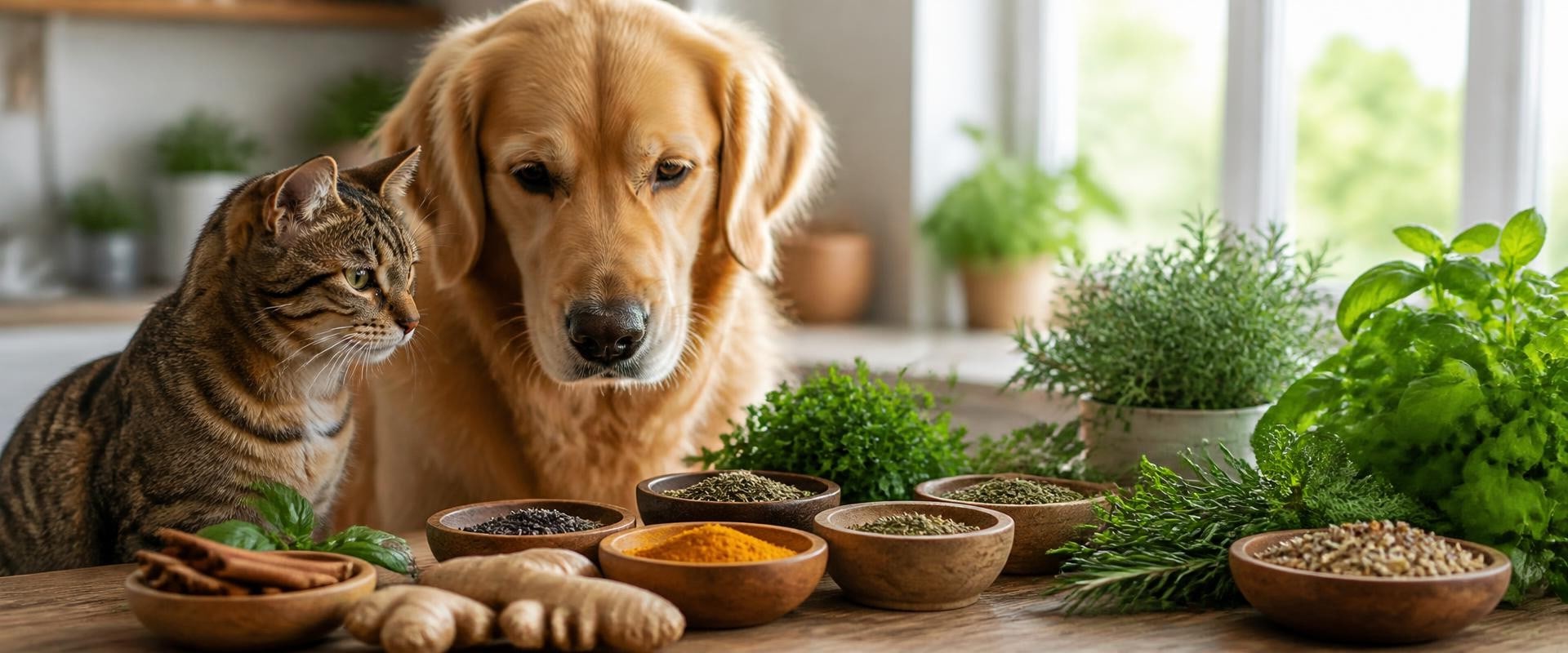
As pet owners, we constantly seek ways to enhance our furry friends' health and happiness. One delightful avenue to explore is the world of herbs and spices safe for pets. While many of us enjoy seasoning our meals with a variety of flavorful herbs and spices, it is crucial to remember that not all culinary delights are suitable for our pets. Understanding which herbs and spices can safely be incorporated into their diets can not only add flavor to their meals but also provide a wealth of health benefits. Imagine your beloved dog wagging its tail in excitement as you sprinkle a dash of rosemary over its food, or your cat purring contentedly after enjoying a meal enhanced with catnip.
These natural ingredients can be more than just a tasty addition; they can aid digestion, boost immunity, and even improve coat health. However, with the vast array of options available, knowing which herbs and spices are safe is essential. In this guide, we will explore the fascinating realm of safe herbs and spices for your pets. We’ll uncover not only the benefits they offer but also how to incorporate them into your pet’s diet effectively. Whether you are a seasoned home cook or just starting on your journey to prepare homemade meals for your pets, understanding these ingredients will empower you to make informed decisions for their health and wellbeing. Join us as we delve into this flavorful exploration and discover how you can safely enhance your pet's meals with the goodness of nature!As pet owners increasingly seek natural food options for their furry friends, understanding which herbs and spices safe for pets is essential.
Many people are turning to homemade meals to ensure their pets receive the best nutrition possible, free from fillers and artificial ingredients often found in commercial pet food. Incorporating herbs and spices into your pet's diet not only enhances flavor but also provides various health benefits that can support overall wellness. One of the primary reasons pet owners should be informed about which herbs and spices are safe for their pets is the rise in awareness regarding potential harmful ingredients in store-bought pet foods. Many of these products contain preservatives, artificial flavorings, and low-quality ingredients that may not meet the nutritional needs of pets. By creating homemade meals with safe herbs and spices, pet owners can have greater control over their pets' diets, ensuring they receive wholesome nutrition. Several commonly used herbs and spices are not only safe for pets but can also offer specific health benefits.
For instance, parsley is known for its ability to freshen breath and is a good source of vitamins A, C, and K. It can be finely chopped and added to homemade dog treats or mixed into their food. Another excellent option is turmeric, which contains curcumin—an active compound renowned for its anti-inflammatory properties. Adding a small amount of turmeric to your pet's meals can help alleviate joint pain and improve mobility, especially in older pets. Ginger is another beneficial addition to a pet's diet, particularly for dogs and cats that experience digestive issues.
Known for its ability to soothe stomach upset and reduce nausea, ginger can be grated fresh or given in powdered form. It's important to introduce it gradually into their diet to monitor any reactions. While many herbs and spices can be beneficial, there are also certain ones that should be avoided due to toxicity concerns. Garlic and onion, for example, are well-known for being harmful to both dogs and cats, as they can cause oxidative damage to red blood cells leading to anemia. Other herbs like chives and leeks also fall into this category and should never be included in your pet's meals.
Always do thorough research or consult with a veterinarian before introducing new ingredients. For those concerned about incorporating new herbs and spices into their pets' diets, it's crucial to start slowly. Introduce one new ingredient at a time and watch for any signs of allergies or adverse reactions. This approach allows you to identify any potential sensitivities your pet may have while also ensuring that they adapt well to the new flavors. Consulting reliable sources for pet nutrition is always advisable when experimenting with your pet's diet. Organizations such as the American Veterinary Medical Association (AVMA) provide valuable guidelines on safe dietary practices for pets.
Additionally, veterinary nutritionists can offer personalized advice tailored to your pet’s specific needs. The journey towards enhancing your pet's diet with herbs and spices safe for pets can be rewarding. By educating yourself about safe options, you can create delicious, nutritious meals that not only satisfy your pet’s taste buds but also contribute positively to their health.
Safe Herbs for Pets
As pet owners increasingly seek natural and wholesome ingredients for their furry companions, incorporating herbs into their diets can provide both flavor and health benefits. Here, we explore a selection of safe herbs that are beneficial for both dogs and cats.Basil
is not only a flavorful herb but also has anti-inflammatory properties. It can help support the immune system and provide antioxidants.For pets, you can offer fresh basil leaves in small amounts, about a teaspoon for dogs and half a teaspoon for cats, chopped finely or mixed into their food.
Rosemary
is another excellent herb that contains compounds known to enhance memory and concentration. It also has antimicrobial properties, which can support digestive health. When using rosemary, a small pinch of dried leaves sprinkled on their food is sufficient for both dogs and cats.Mint
, particularly spearmint, is refreshing and can aid in digestion. It can help alleviate gas and bloating in pets.You can offer a few fresh mint leaves or a small sprinkle of dried mint in their meals. However, always ensure that mint is used in moderation to avoid any stomach upset. When introducing these herbs into your pet's diet, start with small amounts to monitor for any adverse reactions. Always choose organic herbs when possible and avoid those that have been treated with pesticides or chemicals. Incorporating these safe herbs can not only enhance your pet's meals but also contribute to their overall well-being.
Spices That Can Benefit Your Pets
As more pet owners transition to natural food options, incorporating spices into their pets' diets has gained popularity.Certain spices, such as cinnamon, turmeric, and ginger, not only enhance the flavor of meals but also offer various health benefits.
Cinnamon
is known for its anti-inflammatory properties and can help regulate blood sugar levels in pets. Studies suggest that it may be beneficial for dogs with diabetes or those who are overweight. Additionally, cinnamon contains antioxidants that support overall health and can even help combat bad breath in pets.Turmeric
, often hailed as a superfood for both humans and animals, contains curcumin, a compound with potent anti-inflammatory and antioxidant effects. Research indicates that turmeric may aid in joint health, making it particularly beneficial for older pets suffering from arthritis.Its ability to support liver function and digestive health further solidifies its place in a pet's diet.
Ginger
is another spice with impressive benefits for pets. Known for its anti-nausea properties, ginger can be particularly helpful for pets that experience motion sickness or have sensitive stomachs. Moreover, it can promote healthy digestion and reduce inflammation. Incorporating these spices into homemade meals for your pets can not only elevate their dining experience but also contribute to their overall well-being. However, it's essential to consult with a veterinarian before introducing new ingredients into your pet's diet to ensure they are safe and appropriate for your specific pet.Common Herbs and Spices to Avoid
While many herbs and spices can be beneficial for pets, there are several that should be strictly avoided due to their harmful effects.Understanding which of these ingredients are toxic is crucial for maintaining your pet's health.
Garlic
is one of the most common culinary herbs that can be toxic to dogs and cats. It contains compounds that can cause oxidative damage to red blood cells, leading to a condition known as hemolytic anemia. Even small amounts can be harmful, so it's best to keep garlic out of your pet's diet entirely.Onion
, similar to garlic, belongs to the allium family and poses a significant risk to both dogs and cats. It can cause similar oxidative damage to red blood cells, resulting in anemia and other health issues.Symptoms of onion toxicity may include weakness, lethargy, and gastrointestinal upset.
Nutmeg
is another spice that should be avoided. This common baking ingredient contains myristicin, a compound that can be toxic to pets. Ingesting nutmeg can lead to symptoms such as disorientation, increased heart rate, and even seizures in severe cases. Other herbs and spices that pet owners should steer clear of include chives, which have similar effects as garlic and onion, and cocoa powder, which contains theobromine and can be toxic to pets. Always consult with a veterinarian before introducing any new ingredients into your pet's diet. By being informed about these harmful herbs and spices, you can ensure a safer and healthier diet for your beloved pets.How to Incorporate Herbs and Spices into Pet Meals
Incorporating herbs and spices into your pet's meals can be an enjoyable and rewarding experience.Here are some practical tips to help you get started:1.Choose Safe Herbs and Spices: Before adding anything to your pet's diet, it's important to ensure that the herbs and spices you select are safe for them. Some pet-friendly options include basil, parsley, dill, turmeric, and ginger. Always research or consult your veterinarian if you're unsure about a specific herb or spice.
2.Start Small:
When introducing new flavors, start with a small amount of the herb or spice to see how your pet reacts. For example, add a pinch of dried parsley to their regular food and observe if they enjoy the taste without any adverse effects.3.Mix into Homemade Recipes:
Try creating simple homemade meals for your pets that highlight these ingredients.For instance, you can prepare a chicken and vegetable stew by boiling chicken pieces with carrots and peas. Once cooked, add a sprinkle of thyme or rosemary for an aromatic boost that enhances flavor.
4.Create Treats:
Homemade treats are another great way to introduce herbs and spices. Consider making peanut butter and pumpkin dog treats by mixing whole wheat flour, pumpkin puree, peanut butter, and a dash of cinnamon. Shape the mixture into small cookies and bake until golden.5.Monitor Reactions:
After introducing new herbs or spices, closely monitor your pet’s behavior and digestive responses.Any signs of discomfort could indicate an intolerance or allergy, so it’s essential to proceed with caution.
6.Consult with Your Vet:
If you have any doubts about incorporating herbs and spices into your pet’s diet, it’s always best to consult with your veterinarian. They can provide tailored advice based on your pet’s specific health needs. By following these steps, you can safely enhance your pet's meals with delicious and nutritious herbs and spices, promoting a healthier diet that both you and your furry friend will appreciate. In conclusion, we have explored the exciting world of safe herbs and spices for pets, highlighting the potential benefits they can offer in enhancing flavor and providing nutritional support in your pet's diet. The discussion on spices that can benefit your pets has shown that incorporating these natural ingredients can be a rewarding experience for both you and your furry companions. We encourage pet owners to start experimenting with safe herbs and spices, always keeping a close eye on their pets' reactions to any new additions. Remember that every pet is unique, and what works for one may not work for another. Finally, it is crucial to consult with a veterinarian before making any significant dietary changes.This professional guidance will help ensure that your pet's nutritional needs are met while safely enjoying the culinary benefits of herbs and spices.