- Natural Pet Food Recipes
- Recipes for Cats
- Turkey and Carrot Cat Food Recipe
Delicious Turkey and Carrot Cat Food Recipe for Your Feline Friend
Discover how to prepare a healthy turkey and carrot meal for your cat with this easy recipe and nutritional insights.
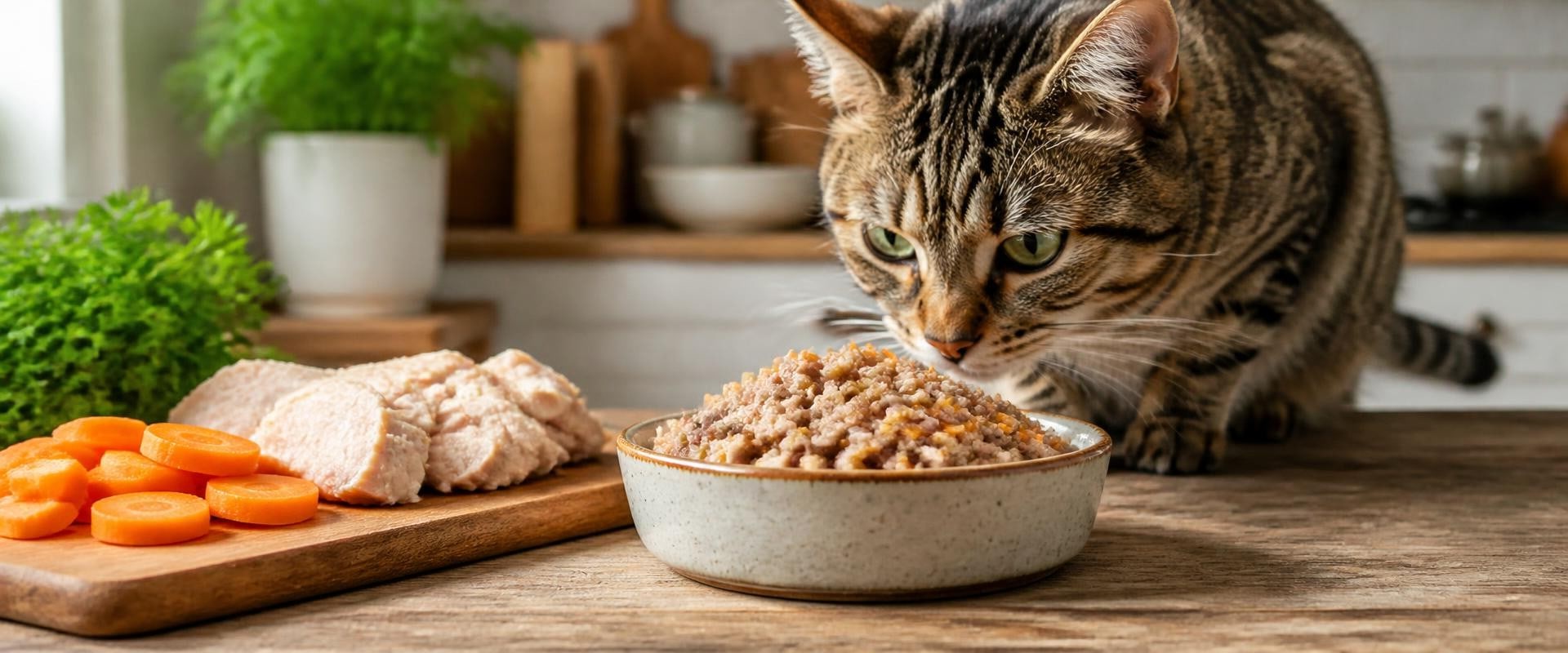
As a devoted pet parent, you strive to provide the best for your furry companion, and what could be better than preparing a delicious and nutritious meal right in your own kitchen? In this article, we present a mouthwatering Turkey and Carrot Cat Food Recipe that will not only satisfy your feline friend's taste buds but also contribute to their overall health and well-being. Homemade cat food allows you to control the ingredients, ensuring that your cat receives high-quality nutrition without any unwanted additives or preservatives. The combination of turkey and carrots in this recipe is not just tasty; it offers a wealth of benefits. Turkey is a fantastic source of lean protein that supports muscle development and energy levels, while carrots provide essential vitamins and fiber that promote digestive health. Whether your kitty is a picky eater or simply enjoys trying new flavors, this Turkey and Carrot Cat Food Recipe is sure to become a favorite. Join us as we dive into the step-by-step process of creating this delectable dish, complete with tips for storage and serving.
Your feline friend deserves the best, and with this recipe, you can ensure they enjoy every bite!Choosing to prepare homemade meals for your cat can be a rewarding decision, especially when it comes to ensuring they receive a balanced and nutritious diet. One of the most significant advantages of using natural ingredients over commercial pet food is the transparency it offers. Many commercial pet foods contain fillers, preservatives, and artificial flavors that may not be beneficial for your cat's health. By making your own cat food, you have complete control over what goes into their meals, ensuring that only wholesome ingredients are used. When it comes to protein sources, turkey stands out as an excellent choice.
This lean meat is rich in high-quality protein, which is essential for muscle development and overall health in cats. Unlike some other meats, turkey is lower in fat, making it a great option for maintaining a healthy weight. Additionally, turkey contains essential amino acids that support a cat's energy levels and vitality. Another key ingredient in this recipe is carrots. While cats are obligate carnivores, they can still benefit from certain vegetables.
Carrots are packed with vitamins such as A, C, and K, which promote good vision, skin health, and immune function. Furthermore, the fiber found in carrots aids digestion, helping to prevent constipation and promote a healthy gut. The combination of turkey and carrots creates a well-rounded meal that supports various aspects of your cat's health. Now, let’s dive into the step-by-step recipe for preparing this delicious Turkey and Carrot Cat Food Recipe. The preparation time is approximately 15 minutes, with a cooking time of about 30 minutes. Ingredients:- 1 pound ground turkey
- 1 cup carrots, finely chopped
- 1/2 cup peas (optional)
- 1/4 cup chicken broth (low sodium)
- 1 tablespoon olive oil
- A pinch of salt (optional)Instructions:1.In a large skillet, heat the olive oil over medium heat.
2.Add the ground turkey and cook until browned, stirring occasionally (about 10 minutes).
3.Once the turkey is cooked through, add the chopped carrots and peas (if using).
Stir well to combine.
4.Pour in the chicken broth and bring the mixture to a simmer.
5.Cover and cook for an additional 20 minutes or until the carrots are tender.
6.Allow the mixture to cool completely before serving it to your cat. This recipe makes about four servings, depending on your cat’s size and dietary needs. Store any leftovers in an airtight container in the refrigerator for up to three days or freeze portions for later use. As you introduce this homemade food to your cat’s diet, it’s essential to monitor them for any signs of food allergies or dietary restrictions. If your cat has never had turkey or carrots before, start with small amounts to see how they react. Some cats may have sensitivities to certain proteins or vegetables; therefore, if you notice any adverse reactions such as vomiting or diarrhea, discontinue use immediately. If your cat has specific dietary needs or allergies, consider alternative protein sources like chicken or fish and substitute different vegetables like pumpkin or green beans based on what suits their health best. Before making any significant changes to your cat's diet, it's crucial to consult with a veterinarian.
They can provide personalized guidance based on your cat’s health history and nutritional needs. Transitioning to homemade meals can be a great choice for many pet owners who want to provide their cats with the best nutrition possible while ensuring they remain happy and healthy.
Consulting Your Veterinarian
Before introducing any new food into your cat's diet, it is crucial to consult your veterinarian. Cats have unique dietary needs that can vary significantly based on factors such as age, weight, and health conditions. A veterinarian can provide personalized recommendations that take into account your cat's specific requirements. Additionally, a vet can help identify any food allergies or sensitivities your cat may have.This is particularly important when considering homemade recipes like a Turkey and Carrot Cat Food Recipe, as certain ingredients might not be suitable for all felines. By seeking professional advice, you ensure that the new recipe supports your cat's overall health and well-being. Furthermore, your veterinarian can offer guidance on portion sizes and how to transition your cat to a new diet effectively. This step is essential to prevent digestive upset and ensure your cat adapts well to the homemade food. In conclusion, while making homemade cat food can be rewarding, it is best done with the knowledge and support of a veterinary professional to ensure your furry friend remains healthy and happy.
Why Choose Homemade Cat Food?
Preparing homemade meals for your feline friend offers numerous advantages that can significantly enhance their overall health and wellbeing. One of the primary benefits is the control over ingredients.When you make cat food at home, you have the ability to choose only high-quality, fresh ingredients that are free from harmful additives and fillers. This ensures that your cat is consuming a nutritious meal without any questionable substances. Another significant advantage of homemade cat food is the ability to avoid preservatives. Many commercial cat foods contain artificial preservatives to extend shelf life, which can potentially lead to health issues over time. By making your own cat food, you can provide a fresh meal without these unnecessary chemicals, allowing your cat to thrive on natural nutrients. Additionally, preparing meals at home allows you to cater to specific dietary needs.
Every cat is unique, and some may have allergies or sensitivities to certain ingredients found in commercial foods. With homemade recipes, you can tailor the meals to suit your cat's individual health requirements, ensuring they receive the proper nutrition they need. In summary, choosing to make homemade cat food provides pet owners with greater control, better ingredient quality, and the ability to meet their pets' unique dietary needs, contributing to a healthier and happier life for their feline companions.
Storage Tips for Homemade Cat Food
When preparing a delicious Turkey and Carrot Cat Food Recipe, it is crucial to ensure that any leftovers are stored properly to maintain their freshness and safety. Here are some essential tips for storing homemade cat food:First, allow the food to cool down completely before storing it. Placing hot food directly into the refrigerator can raise the temperature inside and compromise other stored items.Once cooled, divide the food into meal-sized portions. This makes it easy to serve and helps prevent waste. Use airtight containers made of glass or BPA-free plastic to store the cat food. These containers help keep out air, moisture, and bacteria that can spoil the food. Label each container with the date it was made to keep track of freshness.
Homemade cat food typically lasts in the refrigerator for 3 to 5 days. If you have more food than your cat can consume in that time, consider freezing portions for later use. Frozen homemade cat food can last up to three months in the freezer. To thaw, simply transfer a portion from the freezer to the refrigerator a day ahead of time or use a microwave on a low setting if you need it thawed quickly. Always ensure that the food is warmed up to room temperature before serving to your feline friend. By following these storage tips, you can ensure that your homemade Turkey and Carrot Cat Food remains safe and tasty for your beloved cat!
Nutritional Benefits of Turkey and Carrots
When it comes to crafting the perfect meal for your feline friend, understanding the nutritional profile of the ingredients is crucial.Turkey and carrots are not only delicious but also packed with nutrients that can significantly benefit your cat's health.
Turkey
is an excellent source of high-quality protein, which is essential for maintaining strong muscles and overall health in cats. It contains all the essential amino acids that felines need to thrive. Additionally, turkey is low in fat compared to other meats, making it a great choice for cats that need to maintain a healthy weight. Furthermore, turkey is rich in important vitamins and minerals such as Vitamin B6, which aids in protein metabolism, and Niacin, which supports skin health and digestive function. The selenium found in turkey acts as an antioxidant, helping to protect your cat’s cells from damage. On the other hand, carrots may not be a typical ingredient in a cat's diet, but they offer unique nutritional benefits.Carrots are an excellent source of beta-carotene, which the body converts into Vitamin A—a vital nutrient for maintaining healthy vision and a strong immune system. They also provide dietary fiber, which can aid in digestion and help prevent constipation. The combination of turkey and carrots creates a balanced meal that not only satisfies your cat's taste buds but also supports their overall health. By incorporating these ingredients into your homemade cat food recipe, you can ensure that your furry friend is receiving a nutritious and wholesome diet. creates a balanced meal that not only satisfies your cat's taste buds but also supports their overall health. By incorporating these ingredients into your homemade cat food recipe, you can ensure that your furry friend is receiving a nutritious and wholesome diet.
Step-by-Step Turkey and Carrot Cat Food Recipe
Creating a delicious and nutritious Turkey and Carrot Cat Food Recipe for your feline friend is easier than you might think. Follow these simple steps to ensure your cat enjoys a wholesome meal that is packed with essential nutrients.Ingredients:
- 1 pound ground turkey
- 1 cup carrots, finely chopped
- 1/2 cup peas (fresh or frozen)
- 1/4 cup chicken broth (low sodium)
- 1 tablespoon olive oil
- 1/4 teaspoon taurine supplement (optional, for heart health)
- In a large skillet, heat the olive oil over medium heat.
- Add the ground turkey to the skillet and cook until it is browned, stirring occasionally to break up the meat.
- Once the turkey is cooked through, add the finely chopped carrots and peas to the skillet.
Stir well to combine.
- Pour in the chicken broth, allowing the mixture to simmer for about 5-10 minutes, or until the vegetables are tender.
- If using, sprinkle in the taurine supplement and mix thoroughly.
- Remove the skillet from heat and let the mixture cool completely before serving.
We highlighted the nutritional benefits that turkey provides, such as high-quality protein essential for muscle maintenance, alongside carrots which offer valuable vitamins that support overall health. We also provided a detailed step-by-step recipe that makes it easy to prepare a delicious meal for your cat. Additionally, we shared important storage tips to ensure the freshness of your homemade cat food and emphasized the importance of consulting with your veterinarian before introducing new recipes. We encourage you to try this simple and nutritious Turkey and Carrot Cat Food Recipe and observe how your cat responds to this wholesome meal. Remember to monitor their health and reactions as you introduce new foods into their diet, ensuring that their transition to homemade meals is both enjoyable and beneficial.